precarity – being a grasshopper

Raining Poetry in Adelaide is a poetry street-festival organised and led by postgraduate students at the University of Adelaide under the auspices of the J. M. Coetzee Centre for Creative Practice.

For 2020 the theme was presciently pre-Covid ‘precarity’.

“Progressively fading over time, the poems and their disappearing traces will act as ghostly reminders of increasing global precarity as we walk, tread and cross the line.”

Five poems were selected through a competitive process judged by Jill Jones, then printed as stencils and tagged anonymously with invisible paint across Adelaide’s CBD. Another fifteen poems by students were also tagged.

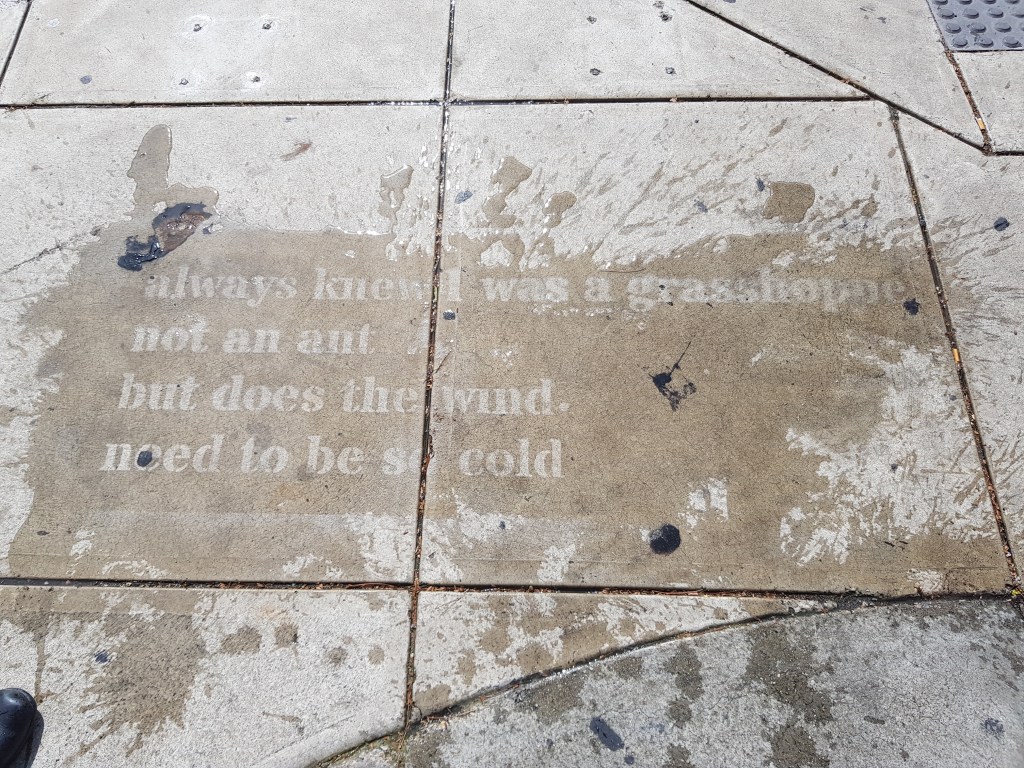
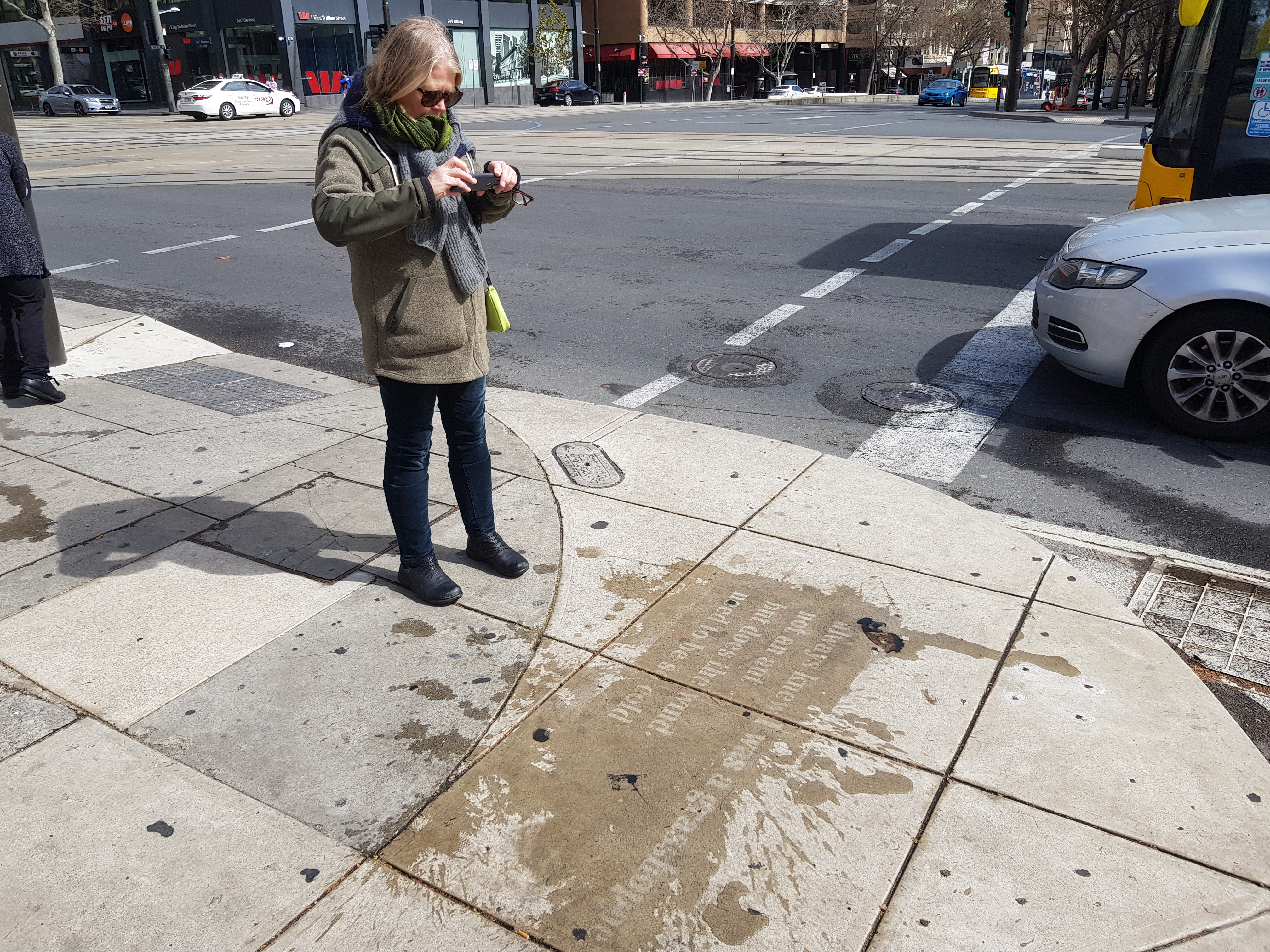
When it rains, the poems magically appear. It doesn’t rain that often in Adelaide but you can water the ground to see a poem once you know where to look.

A map is available through the Raining Poetry in Adelaide Facebook page. My poem is on the corner of King William Street and North Terrace.
Making History

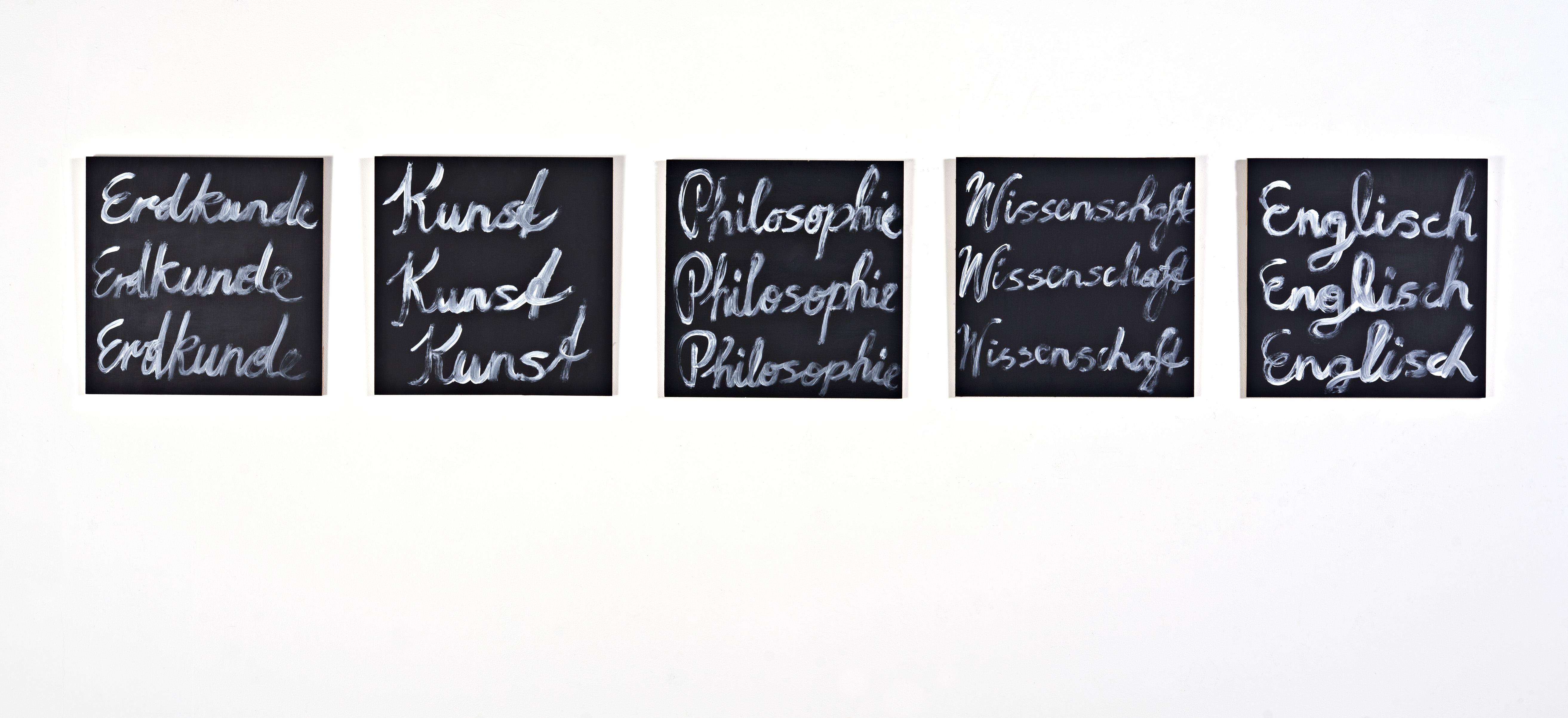
In 2018 at the Hahndorf Academy I was among thirteen artists who made work responding to the history of the building. Local historian Lyndell Davidge showed us through the artefacts and told us stories about the school and hospital that had once been there.

I looked into the story of T.W. ‘Chibby’ Boehm who founded the school in 1857 and taught subjects outside the usual range being taught at the time, such as Geography, Philosophy, Science, Art and History.

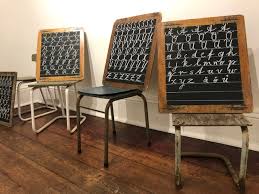
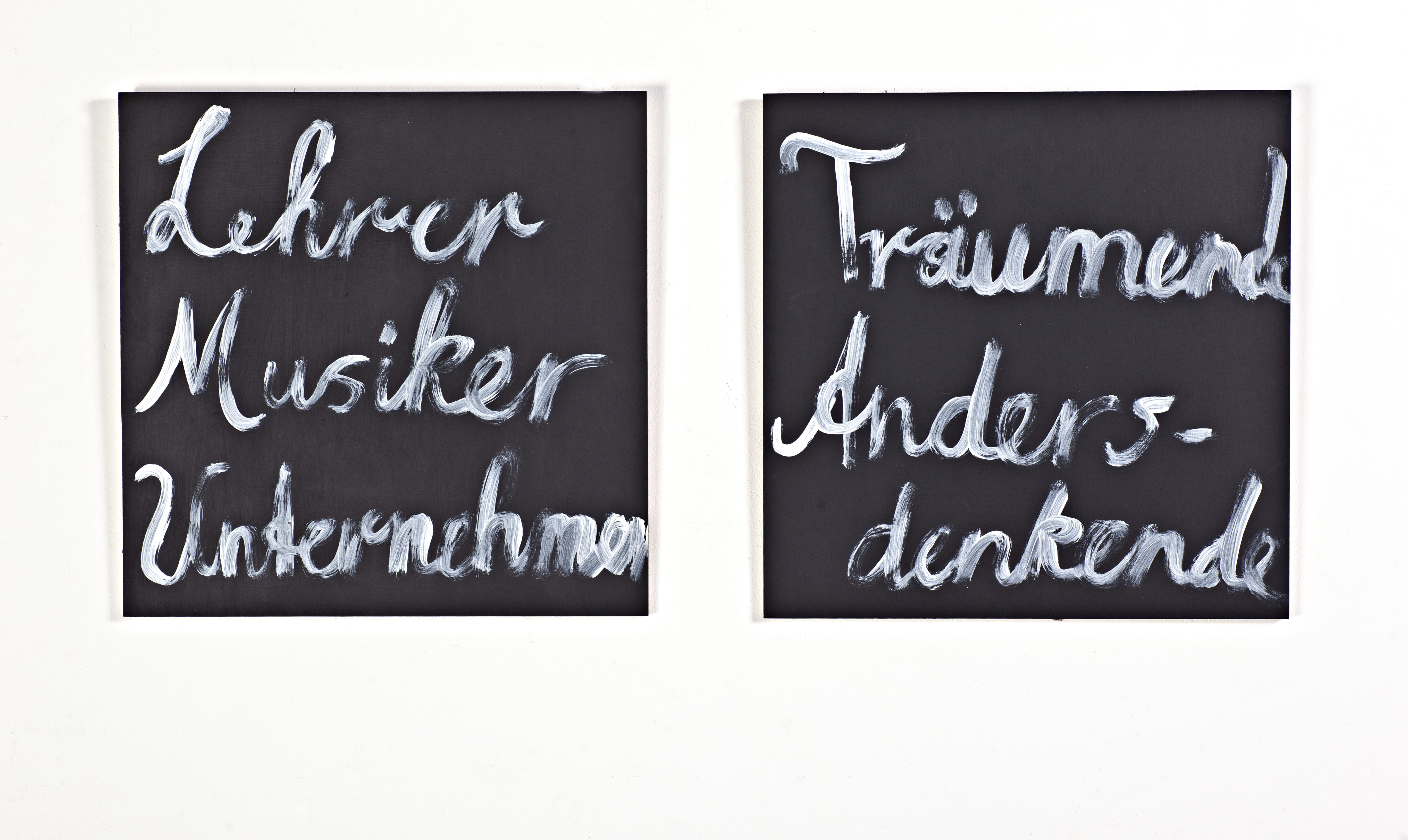
I also responded to memories of school in Austria where we learned a fancy script and Australia where it was plain. In both cases handwriting is taught through repetition.

The Museum of Domestic Botany

Solo exhibition 26 September to 1 November 2020 at Fabrik in Lobethal

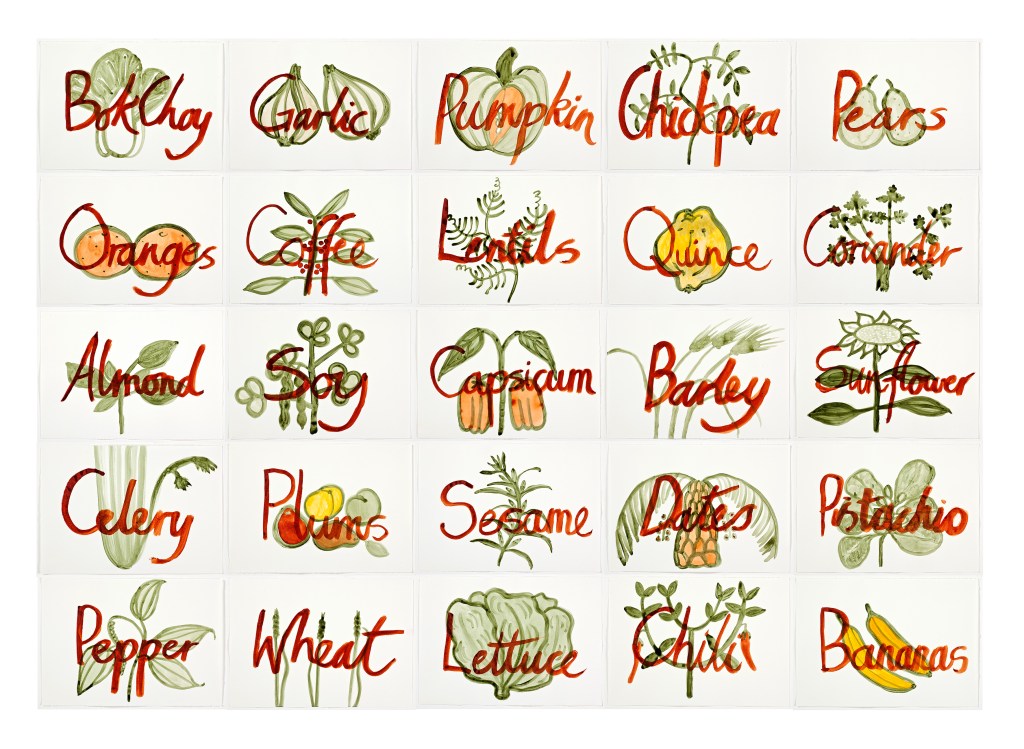
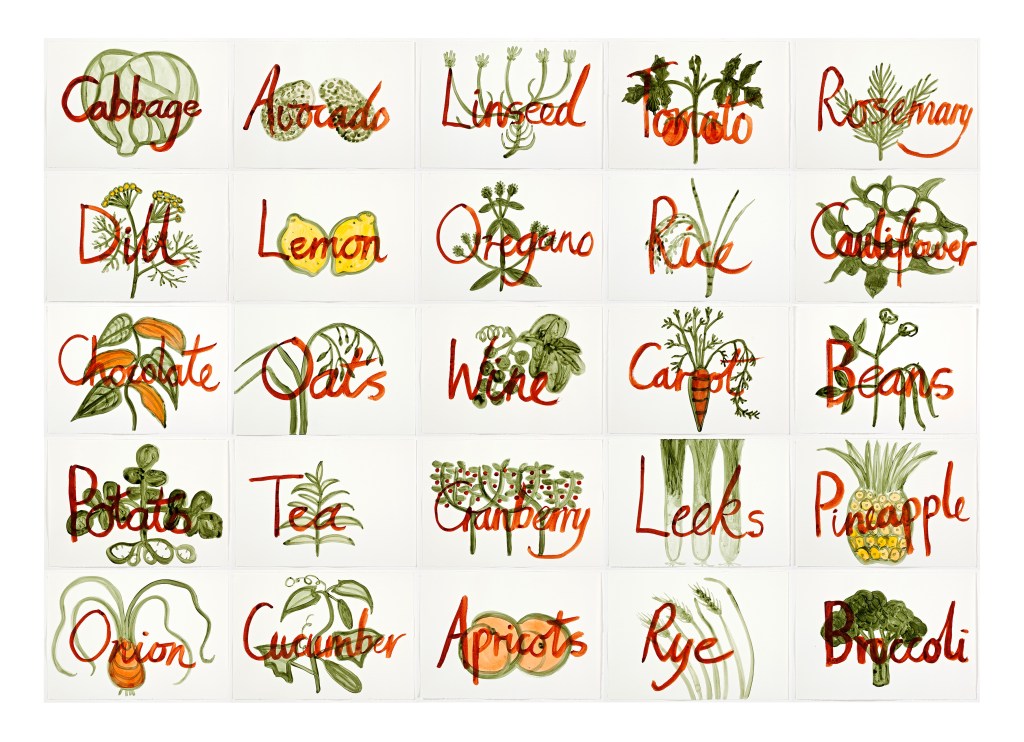
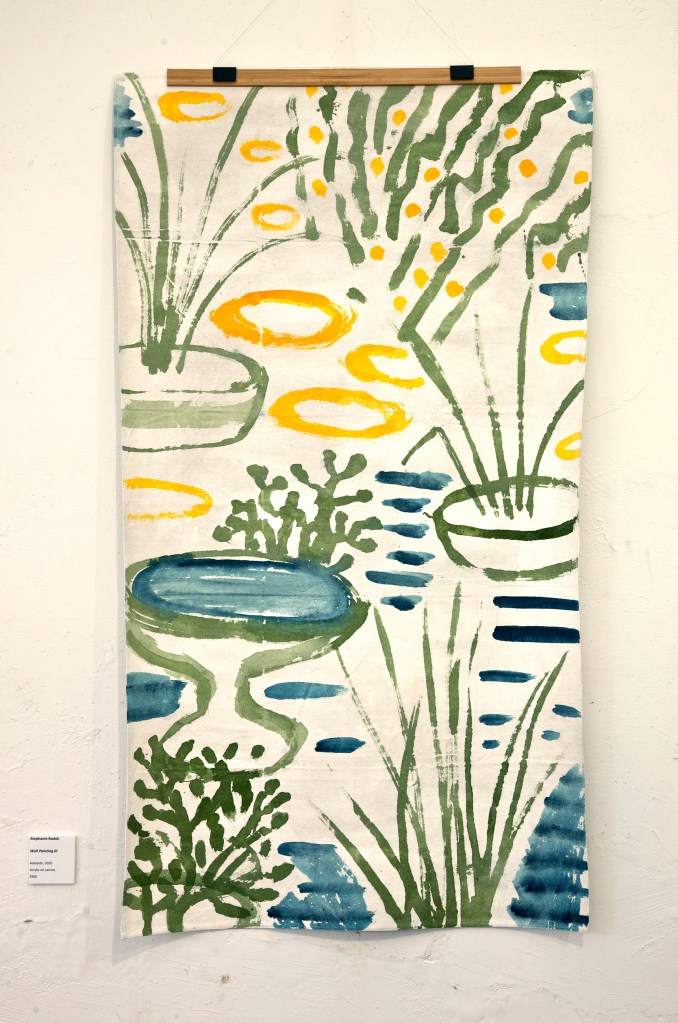
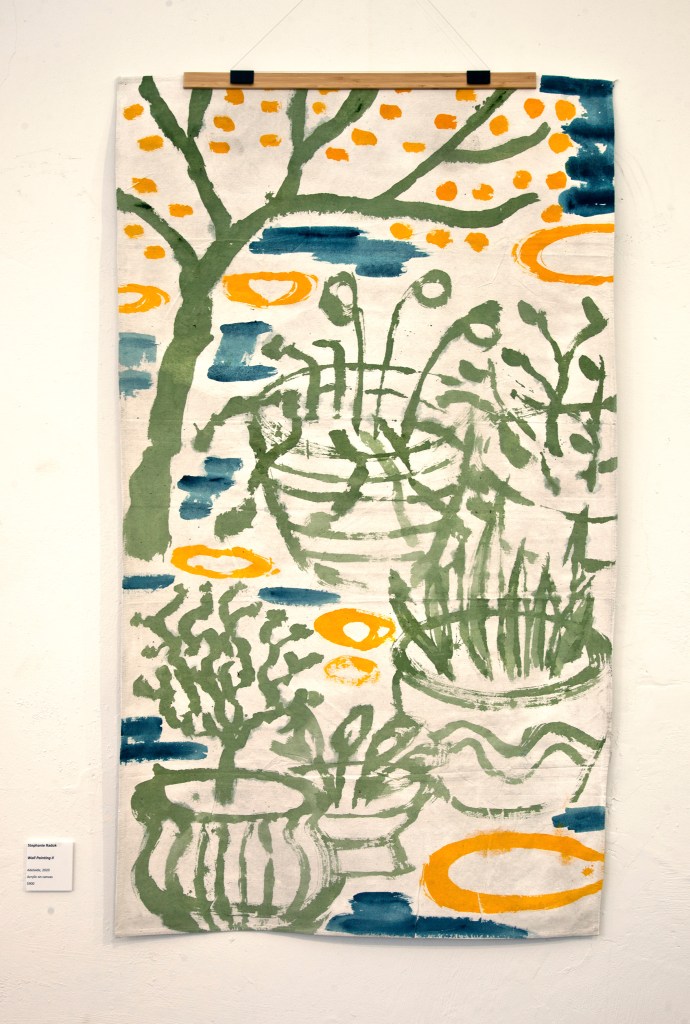
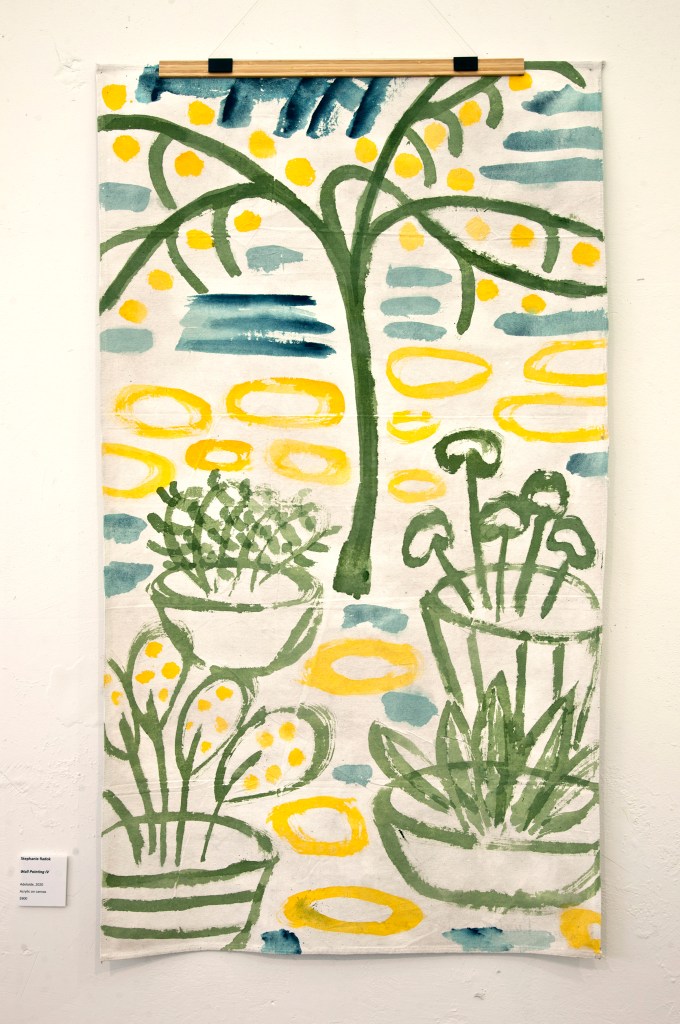
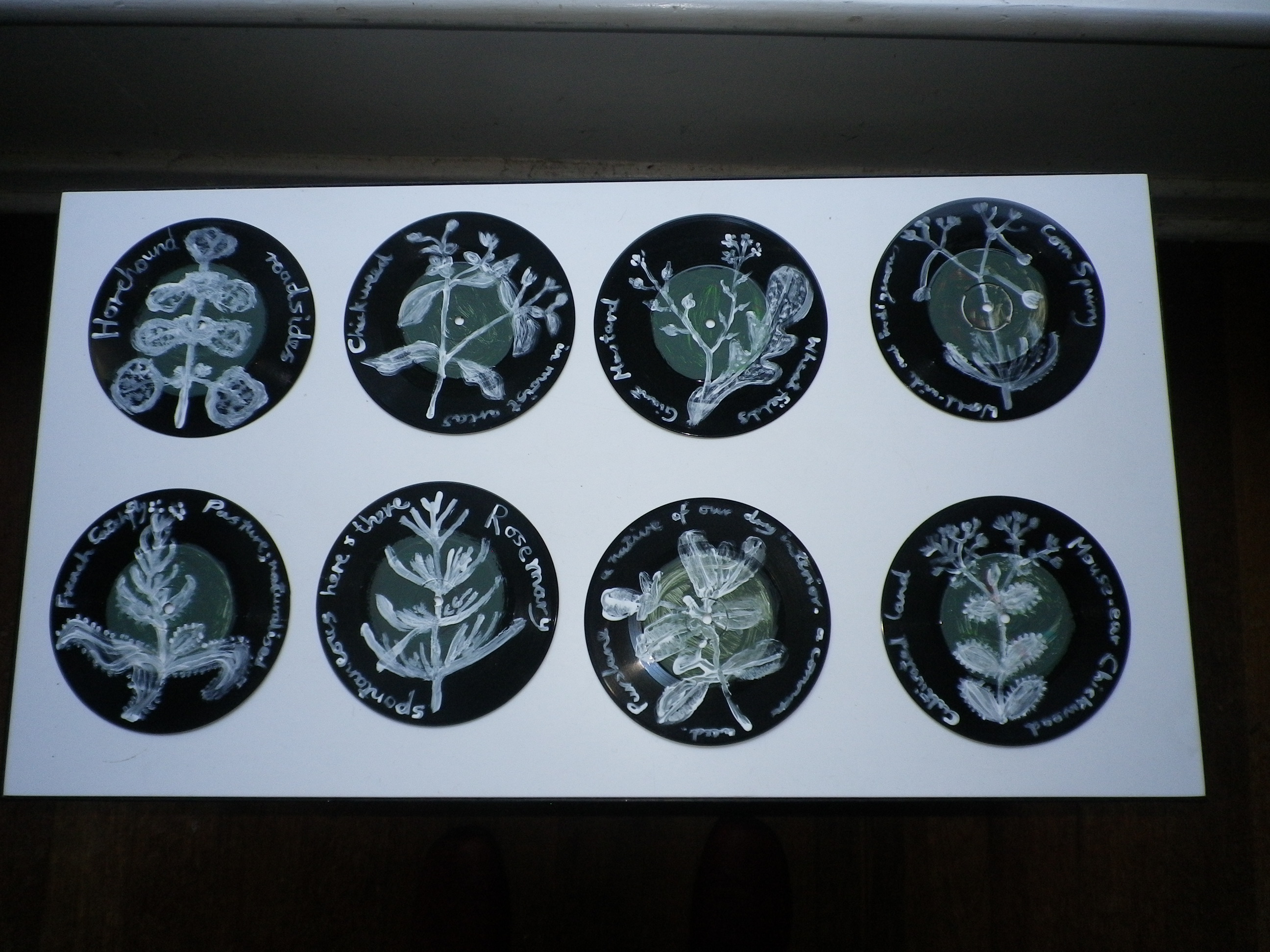
The Museum of Domestic Botany pays homage to the many plants we encounter and use every day, turning an ethnographic gaze onto daily life as seen in South Australian suburbia. The exhibition offers space to reflect on the sites of origin and production of these botanical specimens, their journeys to get here and the people who tend and harvest them, thus evoking myriad stories of interconnectedness between the earth, plants and people.

Family 2020

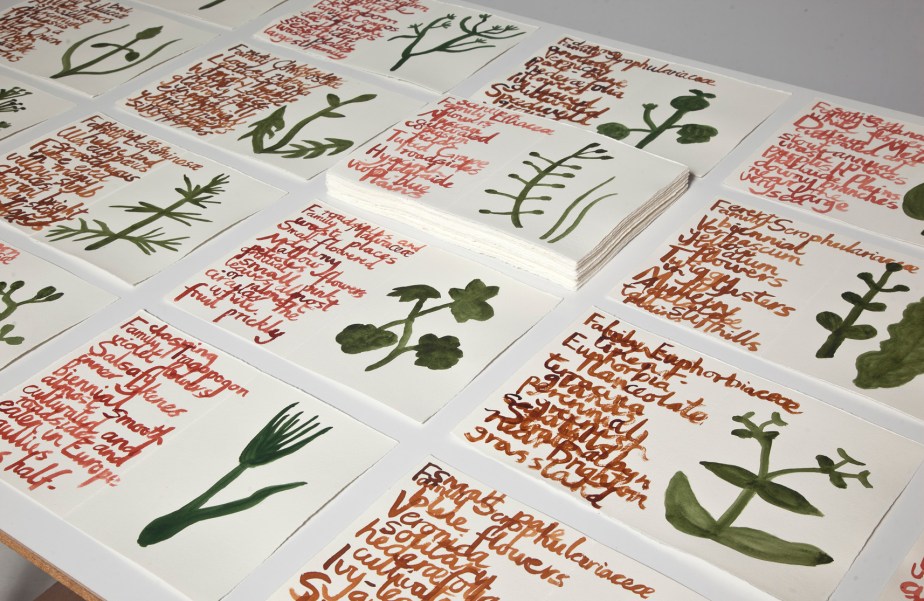
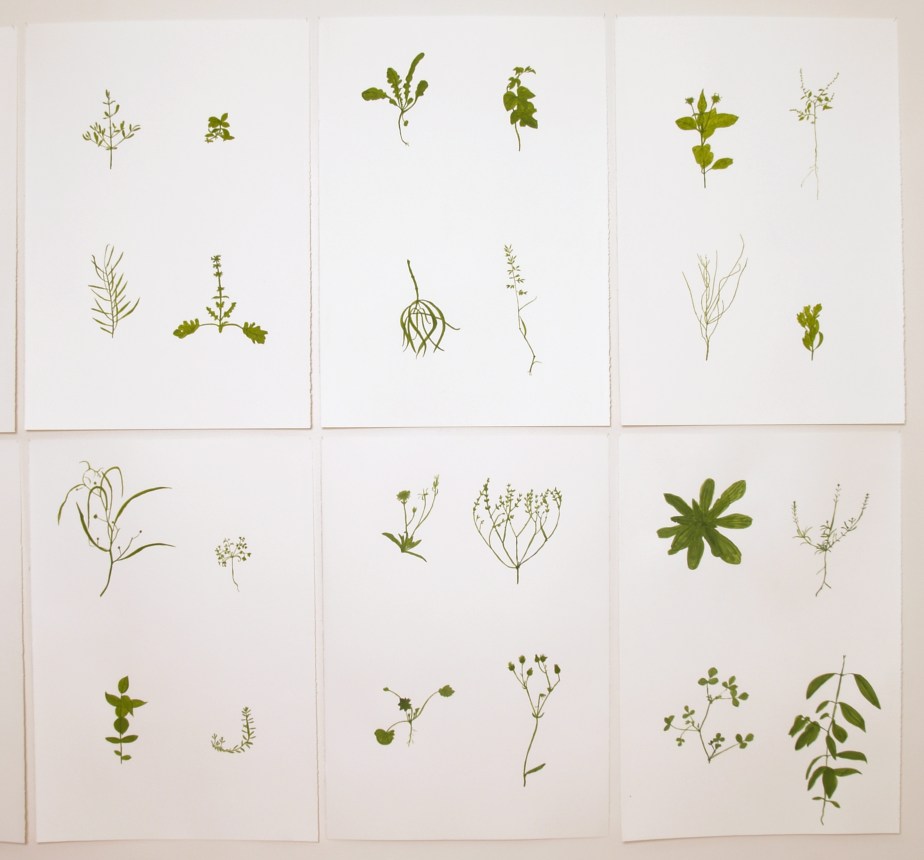
The artworks are drawn from the illustrations and words in the book The Naturalised Flora of South Australia published in 1909 by J.M. Black, the botanist uncle of artist Dorrit Black.

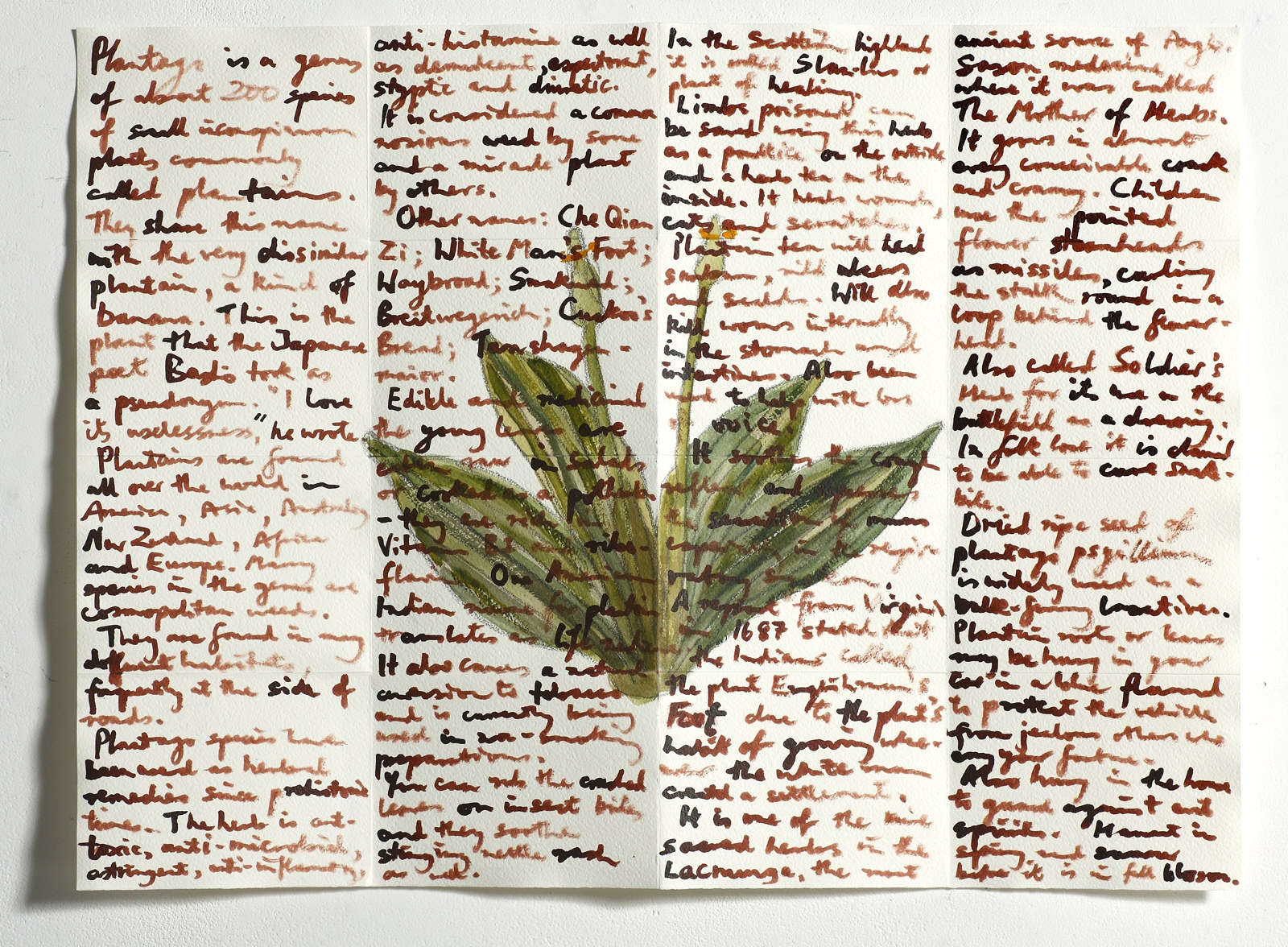
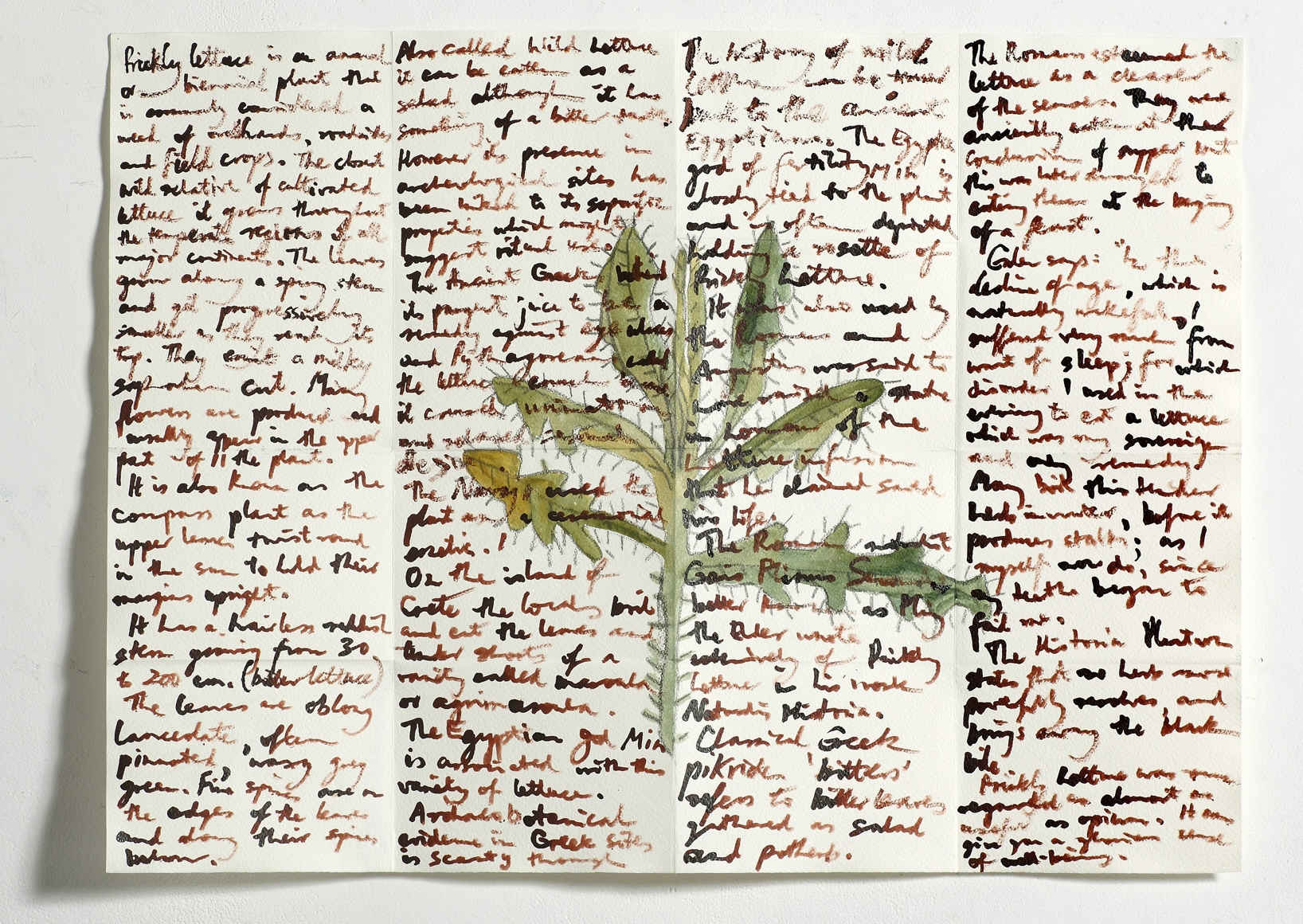
On one side of the page the images of the plants are painted very simply in green paint. Next to the image of each plant is layered in sanguine ink the family and name of the plant, and words from its scientific description and location. In becoming almost illegible as information this layering of words opens questions about naming, language and meaning. The plants are from all over the world and are naturalised, something that also happens to people.

The complexity of being part of a family is also present in the work.

talking about country: people and plants

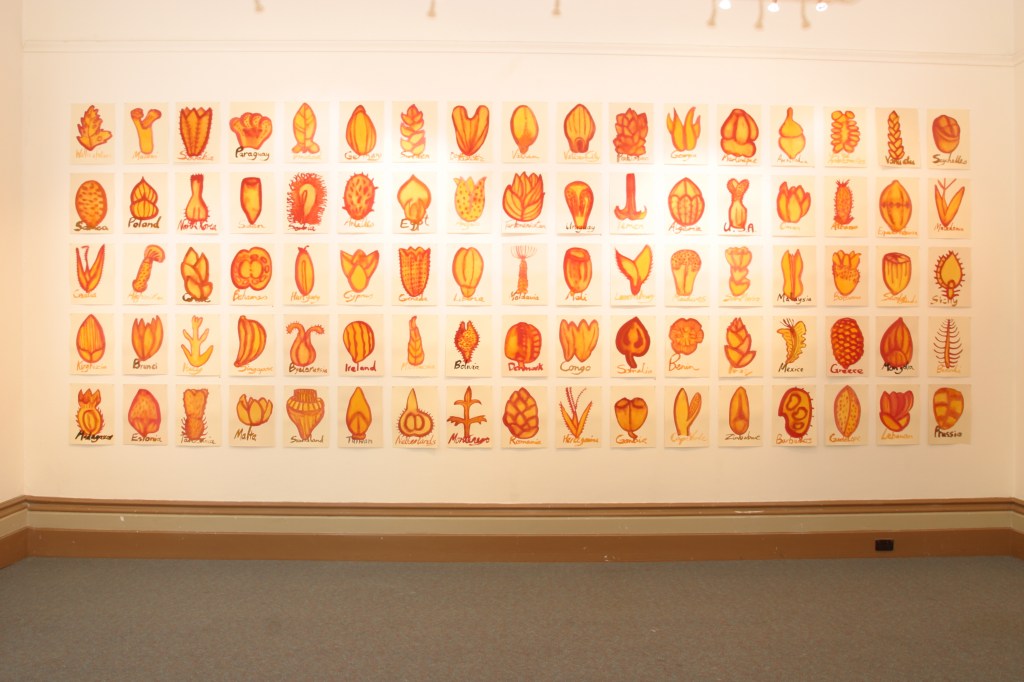
A selection of works on show at Footscray, previously shown at Museum of Economic Botany in Adelaide. Twenty of these works were acquired for the National Gallery of Victoria and shown in the exhibition This and Other Worlds: Contemporary Australian Drawing in 2005.

Altogether there is a painting for every country in the world. They bring together our diversity, our variety and our similarity.

Botanical description of plants do not encompass all the meanings of plants.

Nationalities do not encompass all the meanings of people.