Solo exhibition 26 September to 1 November 2020 at Fabrik in Lobethal
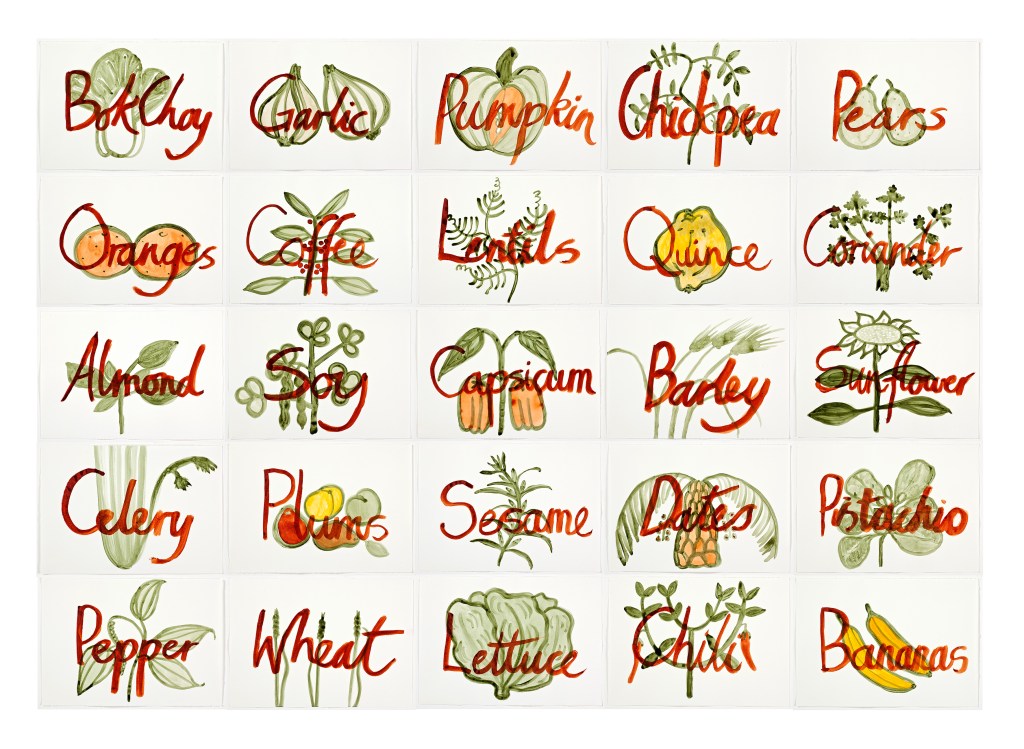
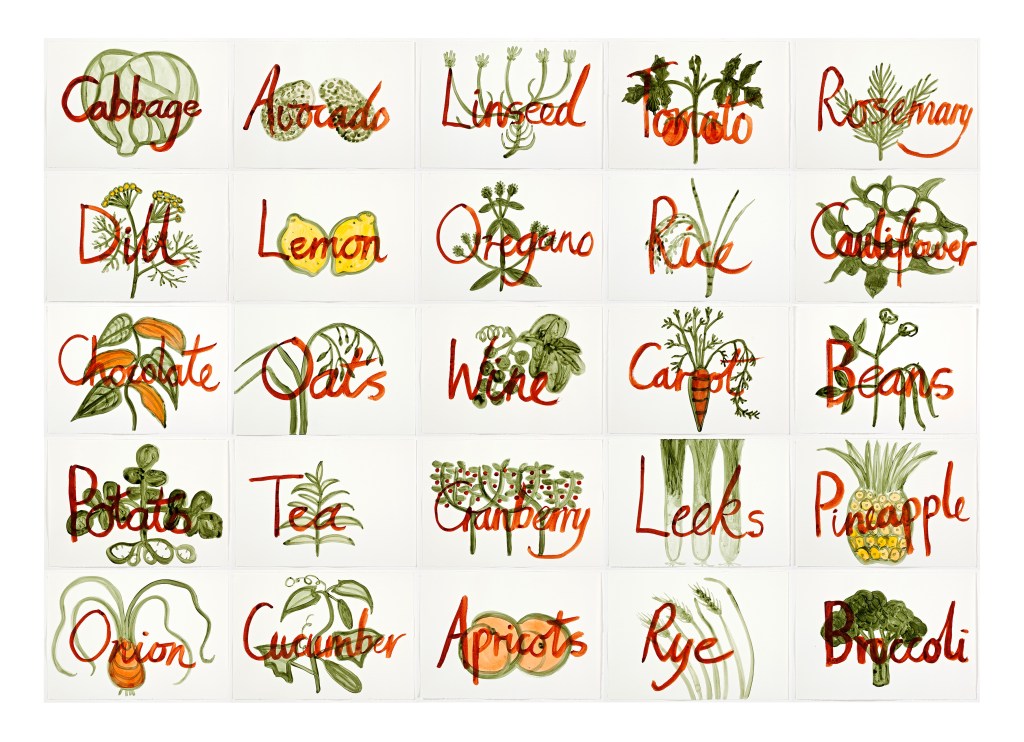
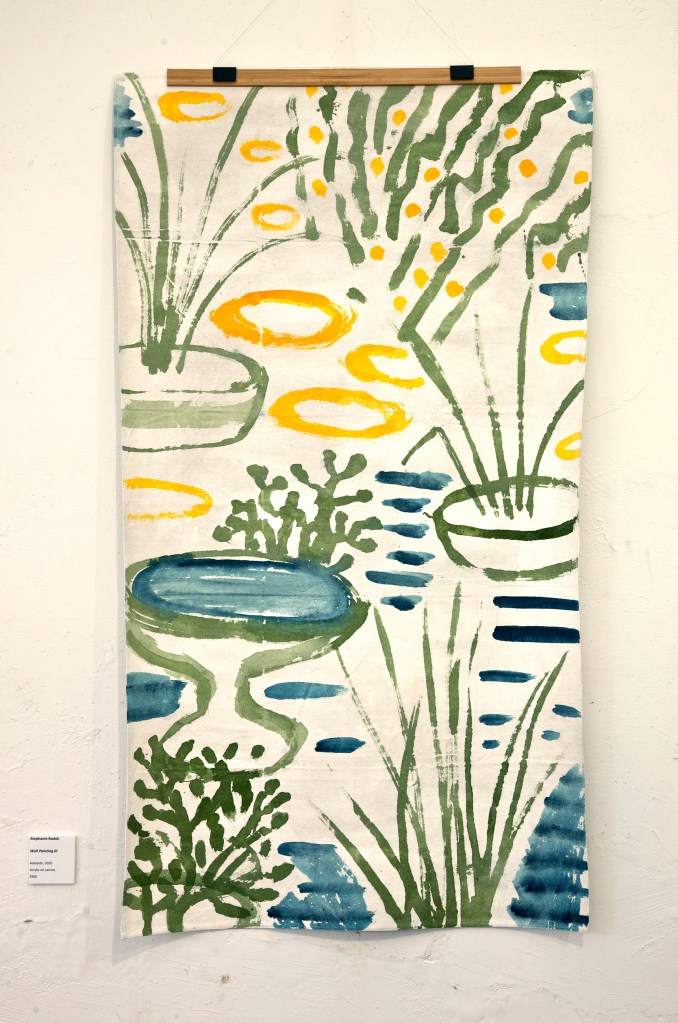
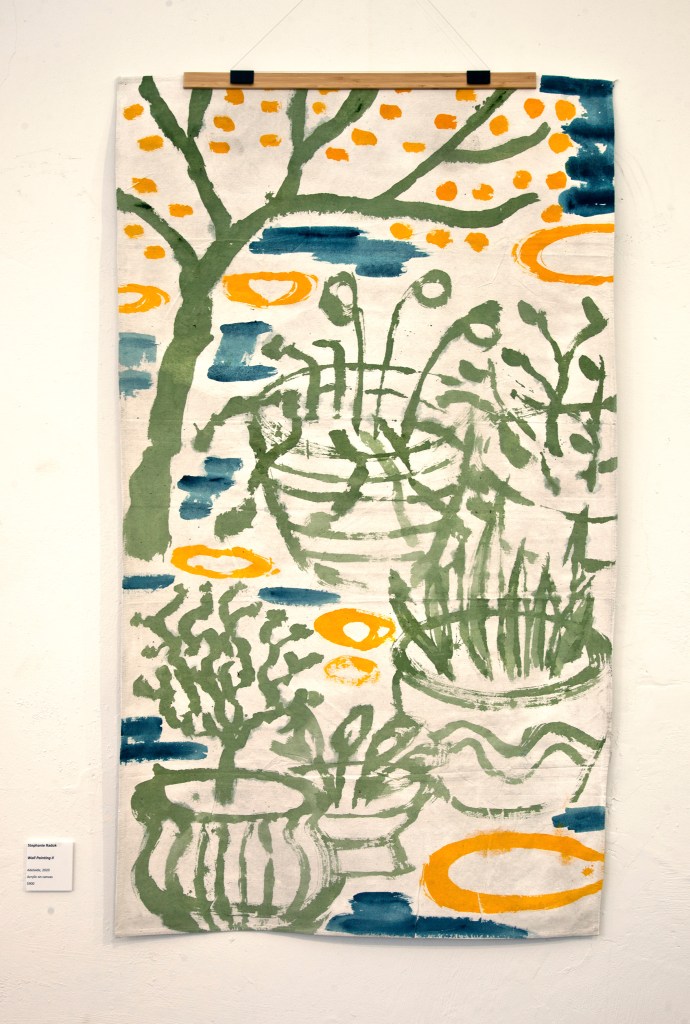
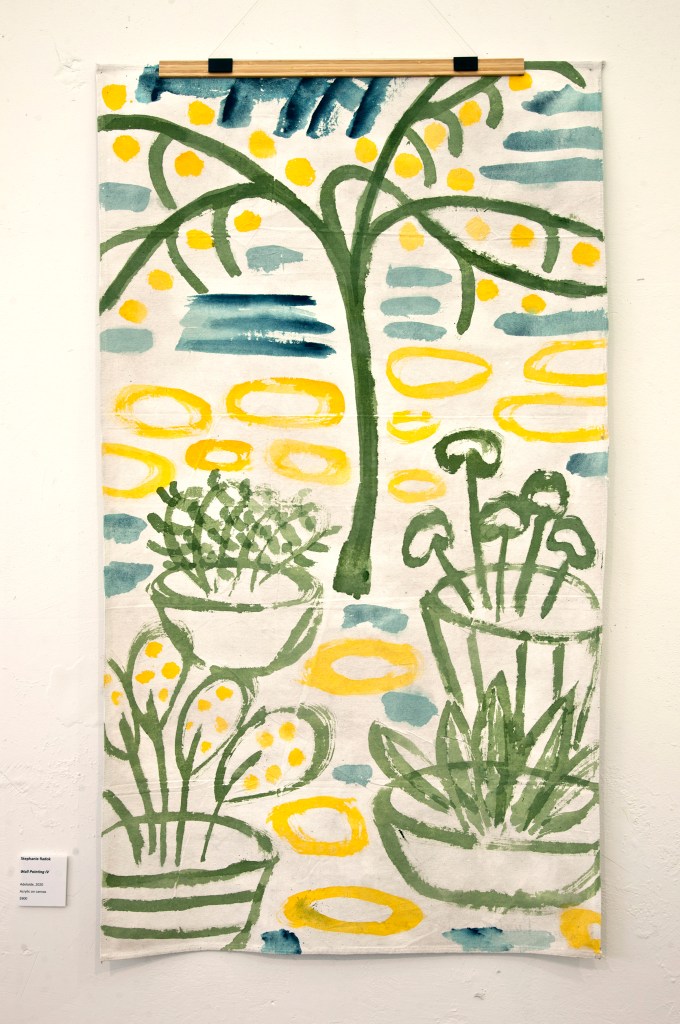
The Museum of Domestic Botany pays homage to the many plants we encounter and use every day, turning an ethnographic gaze onto daily life as seen in South Australian suburbia. The exhibition offers space to reflect on the sites of origin and production of these botanical specimens, their journeys to get here and the people who tend and harvest them, thus evoking myriad stories of interconnectedness between the earth, plants and people.
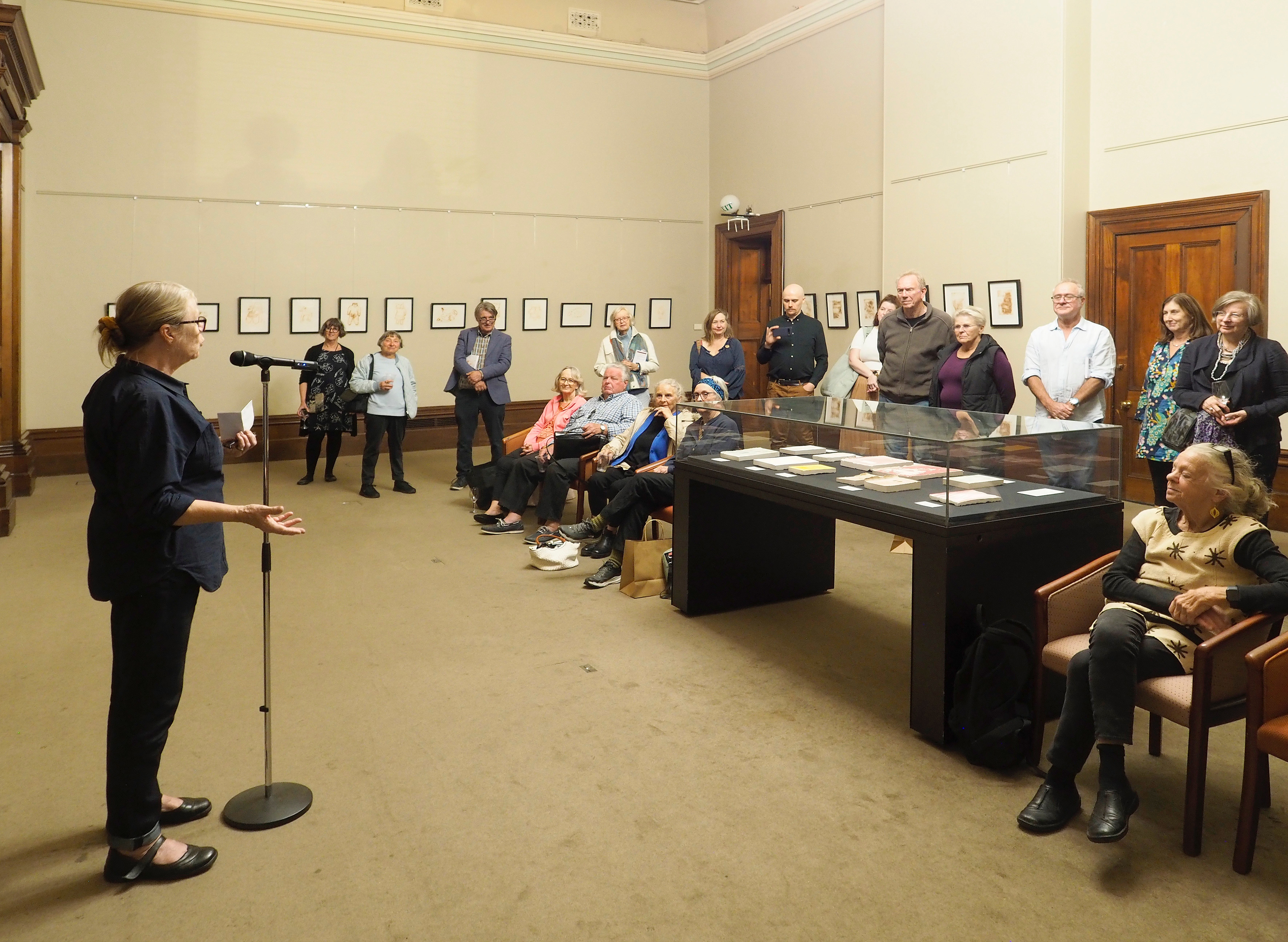
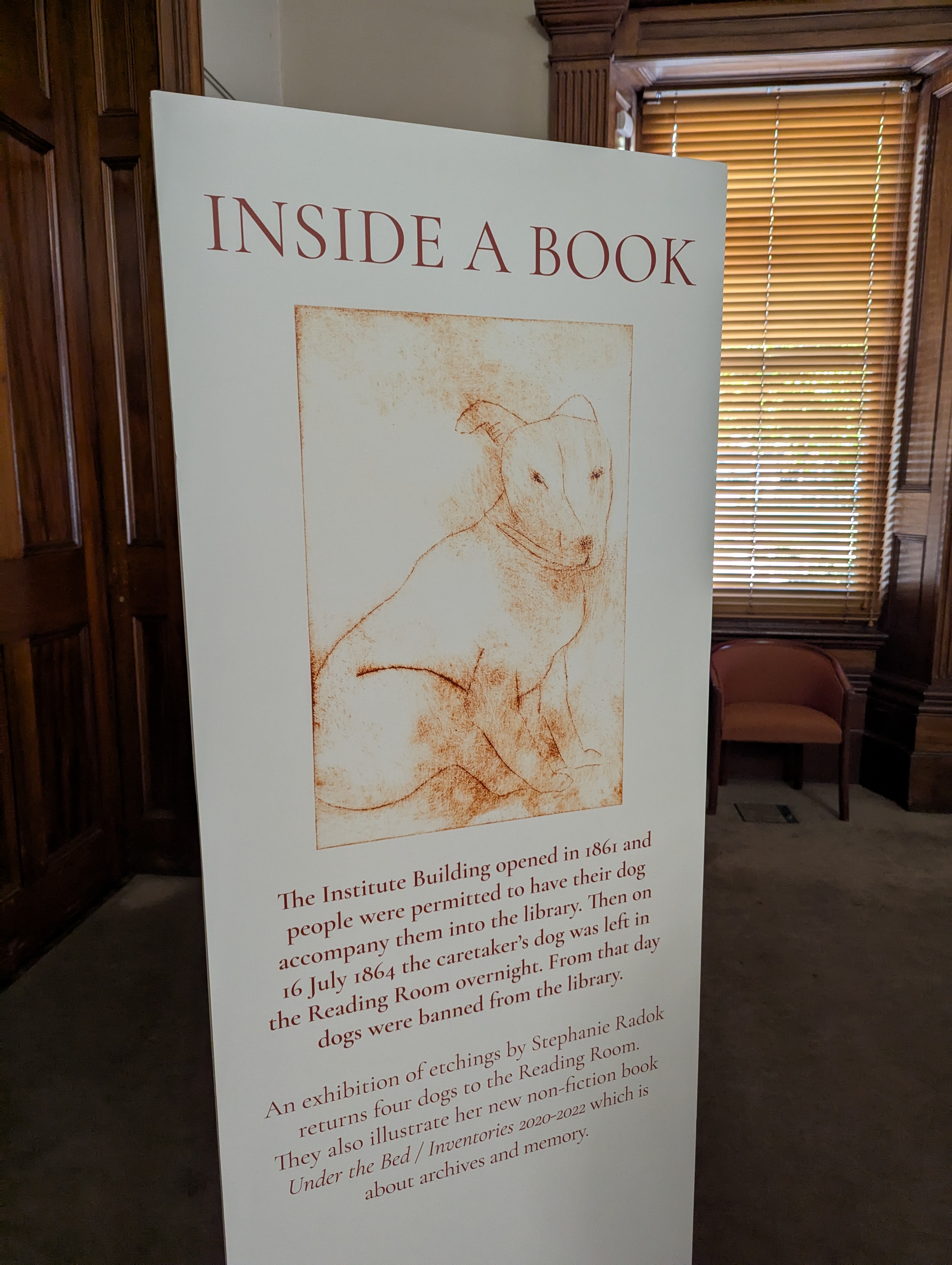
Inside a Book was an exhibition of my etchings and fossil books at the Institute Gallery at the State Library of SA in April 2025. My book Under The Bed / Inventories 2020-2022 was launched in the exhibition by Melinda Rankin, Director of Fabrik, Lobethal.
The connection with the State Library relates to questions of what we do with the past, how do we store it, how do we interpret it, how do we retrieve it. Who are we keeping it for? What can we do with it now?
How can we learn from the past and carry it into the future? How do we come to terms with what we leave behind?
Book launch, 22 April 2025.
I reminded everyone of how this space was the first location of the Art Gallery and Museum of South Australia. Also about Groucho Marx’s joke about it being too dark to read inside a dog.
Stephanie Radok remembers the moment she decided to be an artist. As a child travelling in the family car, “in the usual tense silence”, she felt the certainty of it. It seemed to the child an important moment, something to keep secret. It’s significant that Radok remembers clearly what she was looking at at the time: “… the curve of a half-ploughed field divided by a sweeping line, intense green on one side, red-brown on the other. I took a deep breath and thought I definitely know what I want to do, that’s what I will do with my life, show and convey this intensity, this feeling in my heart and gut that this abrupt edge of colour gives me …”
This sort of deep thought and feeling characterises a truly beautiful collection — An opening: twelve love stories about art — in which Radok excavates the deeps layers of her love for art through the prism of her own personal history.
Using the twelve months of the year to give her stories structure, Radok walks her dog through her Adelaide suburb and the seasons, observing the world with an artist’s eye and recording it with a writer’s sensibility: she sees the beauty of the universe in a leaf.
As she does so, she walks the reader through her reflections on the artworks that influence her thinking, the images that have become touchstones in her life, from the voluptuously elaborate Hieronymus Bosch triptych The Garden of Earthly Delights, to the simple, yet no-less-awe-inspiring Aboriginal rock art on Groote Eylandt.
This is where Radok first encountered the Indigenous art that would come to enthral her throughout her career as an art critic, and here she plots the blossoming of contemporary Aboriginal art as an international cultural force, and how this frames our national identity.
Radok charts her own history as well, writing about her childhood as the daughter of an East Prussian father and an Irish Australian mother, spending her early years moving from America to Austria to Australia — a peripatetic existence that contributes much to her memory and make-up. She positions her own background against a larger thematic backdrop of identity, ethnicity and human migration, constantly asking the big philosophical questions about the human condition.
This endless curiosity framed her pathway from artist to art critic with the rigour of inquiry: What does art mean? How should we interpret it? Should we listen to critics or should we listen to ourselves? How do we even decide what art means?
Radok writes with a gentle wisdom and a clear, unfettered voice. Peppered with lovely anecdotes, An Opening draws the reader into a wonderful discussion about art, culture and identity with an accessible style that suggests that thinking critically about art might be a less rarefied occupation than it might otherwise seem.
But ultimately this book is Stephanie Radok’s exhortation to surround yourself with art purely for the sake of its beauty, not its possession. The inspiring images around Radok are mostly torn from newspapers or journals, are postcards and calendars and reproductions bought in galleries over many decades. The true possession, the true investment, she says, is the way art makes us feel and think, what brings us alive inside ourselves.
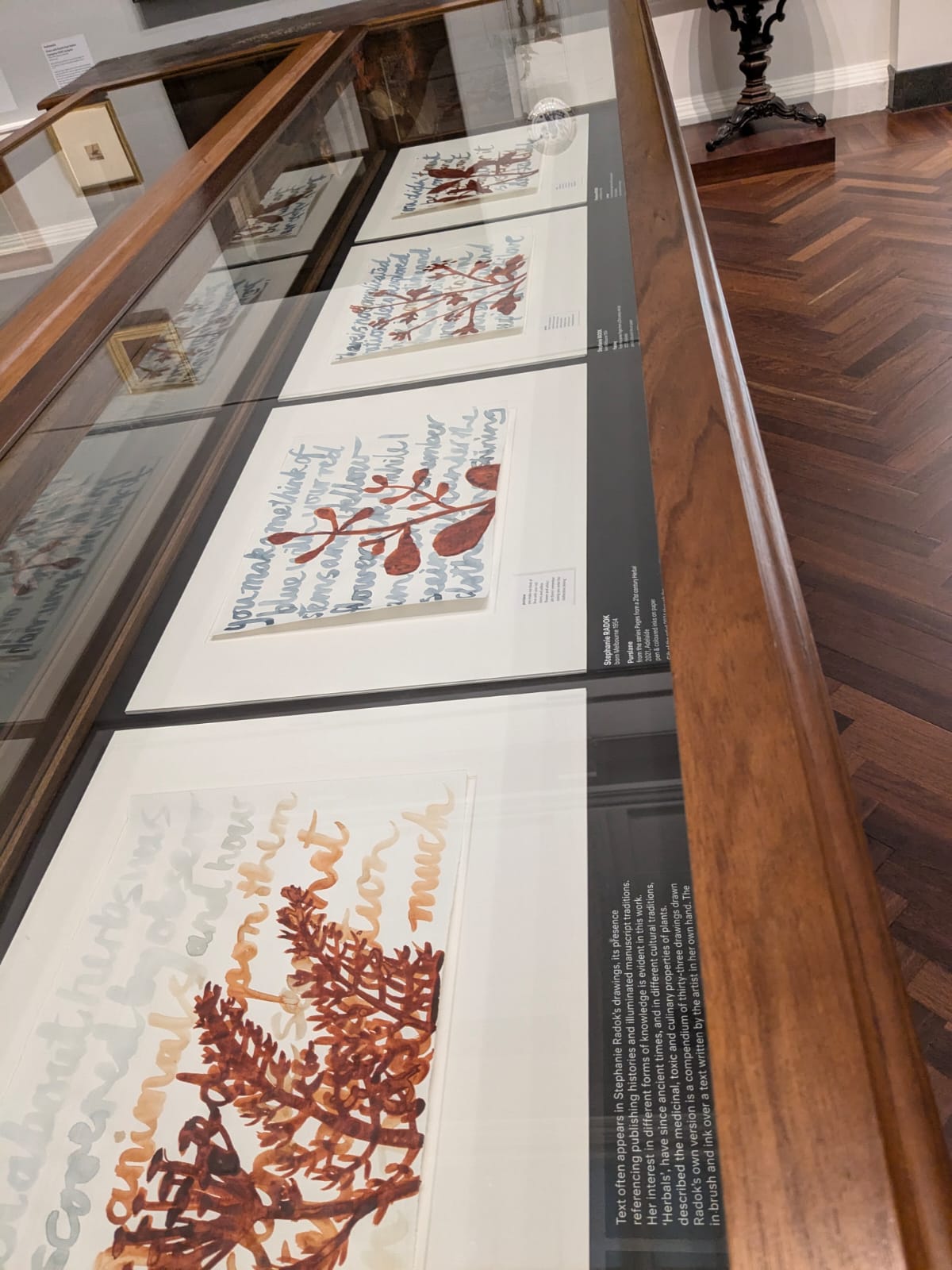
This work was first exhibited at the historic Museum of Economic Botany in the Adelaide Botanic Gardens in 2021. It draws together words and herbs, plants and voices, speaking the unspoken, opening up emotions and thoughts that often remain hidden.
It was acquired by the Art Gallery of South Australia and shown in the first gallery of the Elder wing in 2024-2025.
Nicholas Jose in the Australian Book Review 2021 Books of the Year
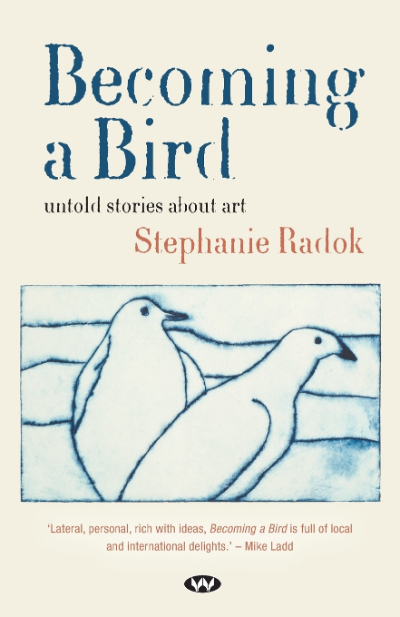
Becoming a Bird: Untold stories about art by Stephanie Radok
A calendar year with its daily tour of the back yard and walks with the dog to the park as months go by. Artist–writer Stephanie Radok’s Becoming a Bird: Untold stories about art (Wakefield Press) is a marvellous book about the freedom of the mind to take wing from within the confines of a loved locality and a committed routine. Radok roams far and wide, remembering museum and art gallery visits around the world, books, places, and people, enquiring into complex things with a candid clarity of utterance and insight. ‘Who are you?’ a Prague cousin asks. The answer comes: ‘In this suburb in a room in a house in a garden in a book on a shelf behind a door in a cupboard, complete worlds are present and folded together.’ Not forgetting The Right to be Lazy by John Knight, a work of art the author saw in Berlin that consisted purely of weeds left to grow

 Stephanie Radok