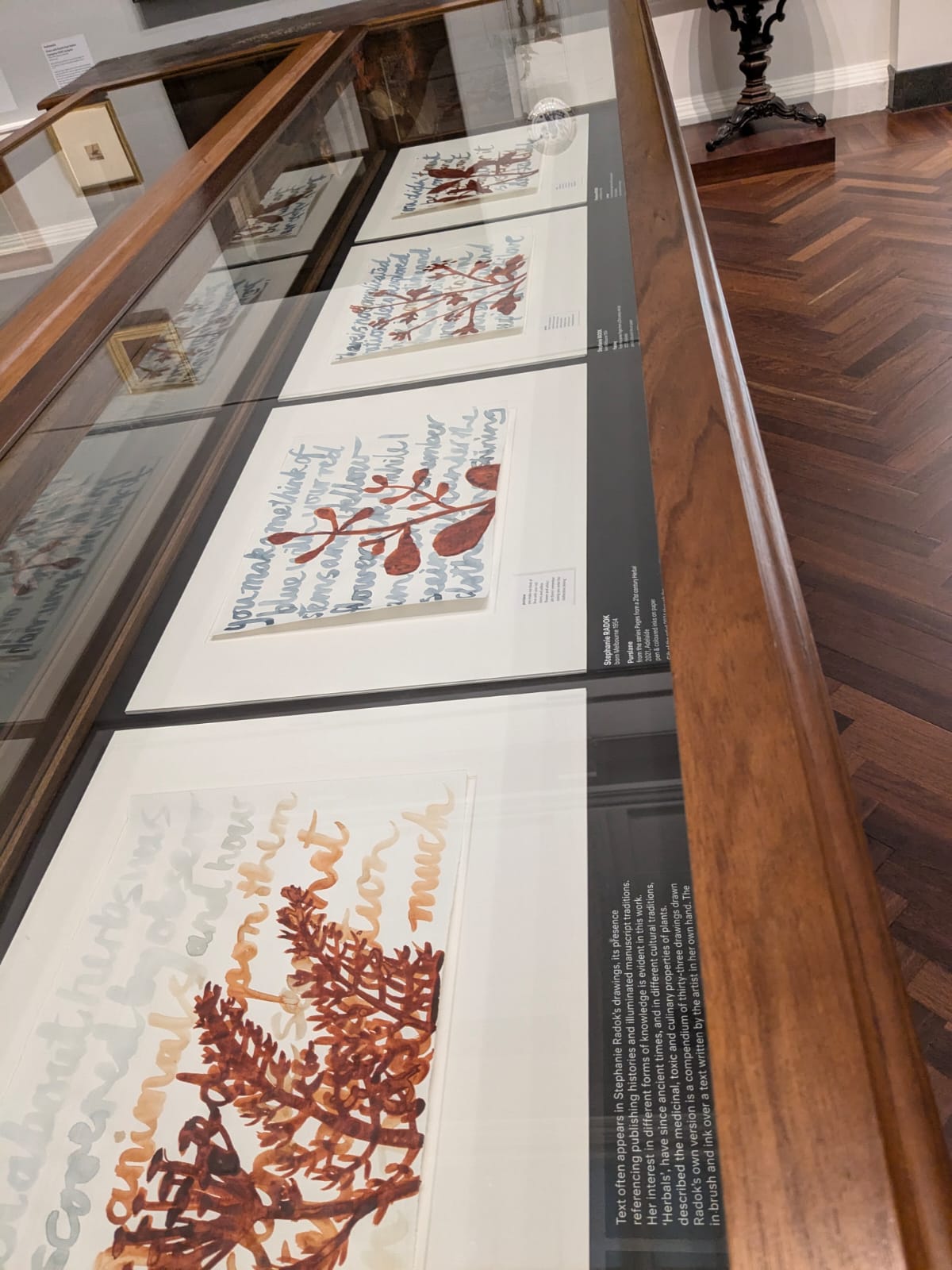
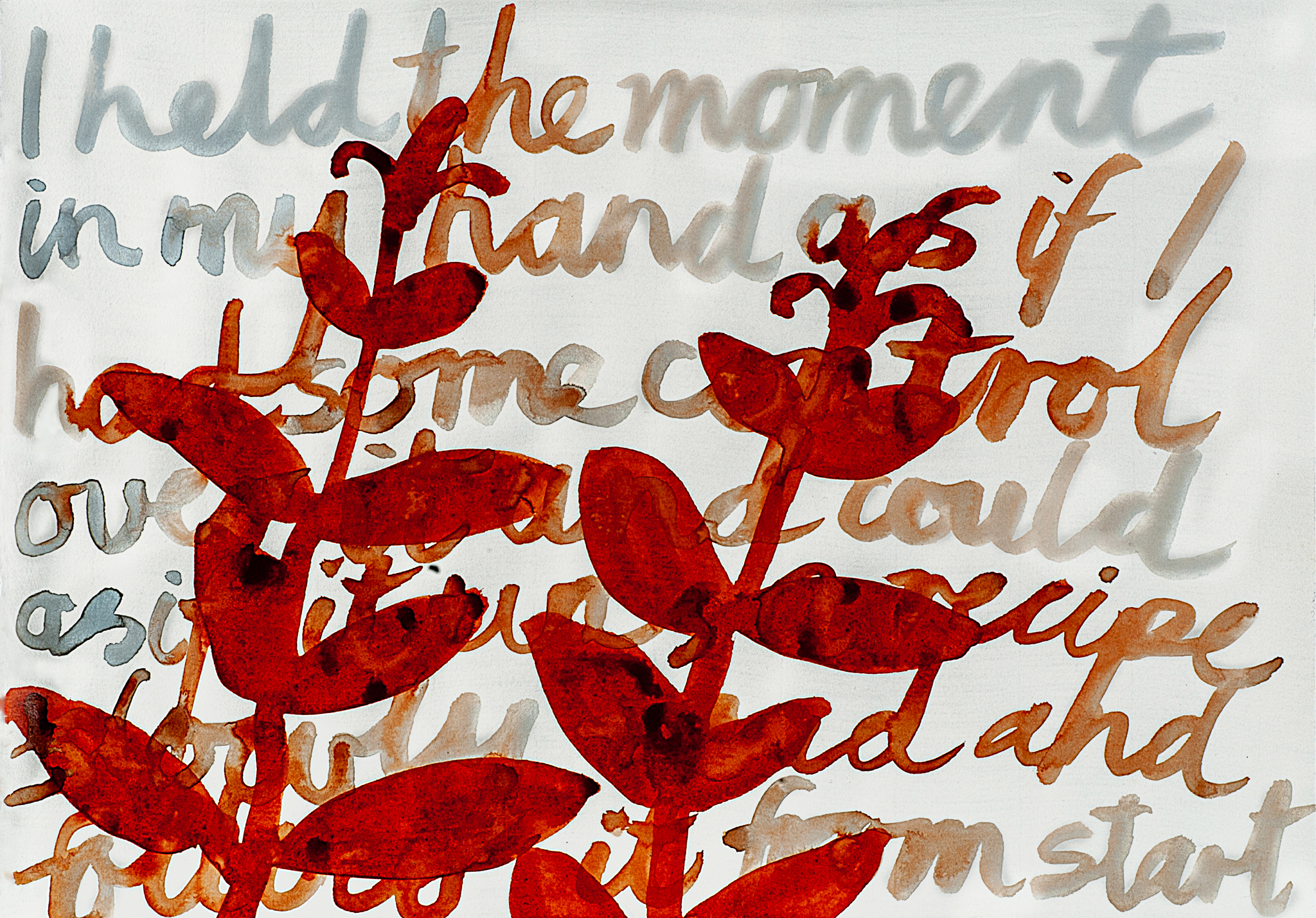
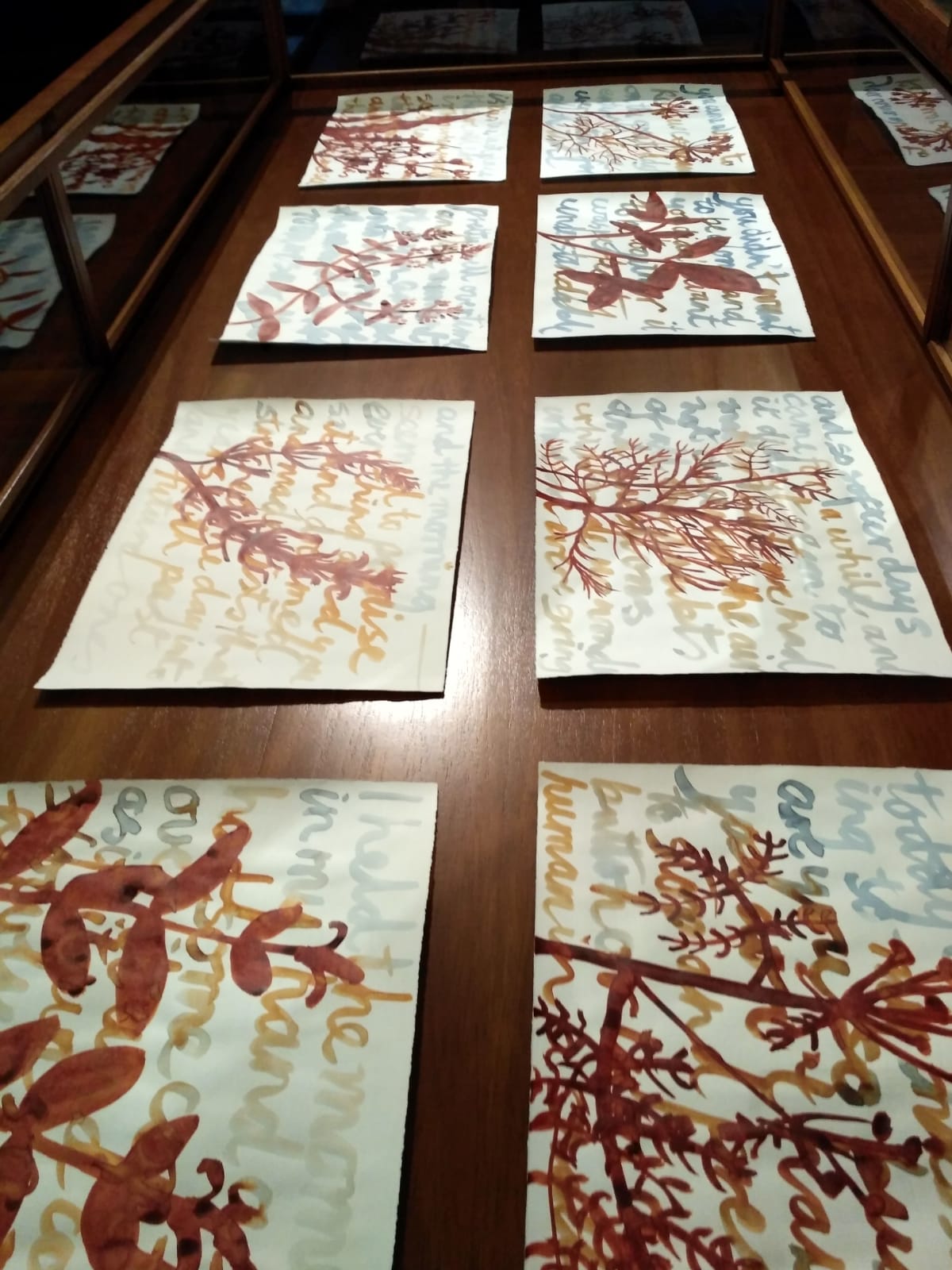
This work was first exhibited at the historic Museum of Economic Botany in the Adelaide Botanic Gardens in 2021. It draws together words and herbs, plants and voices, speaking the unspoken, opening up emotions and thoughts that often remain hidden.
It was acquired by the Art Gallery of South Australia and shown in the first gallery of the Elder wing in 2024-2025.
Stephanie Radok, from Pages from a 21st Century Herbal
Exhibition at the Museum of Economic Botany in the Adelaide Botanic Gardens
Medicinal Plant Tales: everyday stories
an apple a day keeps the doctor away
The use of plants for health and wellbeing is deep rooted in our history. From the earliest times our need for food, fibre and medicine has been based upon the plant world and yet today the link between plants and medicine is often overlooked.
The Santos Museum of Economic Botany, situated at the heart of the Adelaide Botanic Garden, has been amplifying such links and plant stories since 1881. Here one can learn and reflect on the diversity and complexity of cultures and their relationships to plants all over the world.
The Museum is full of tales of colonisation, trade, culture, ingenuity, tradition, innovation, art and curiosity. Among the many plants whose stories are on display are medicinal ones. They possess healing and economic value as well as historic and emotional dimensions.
Contemplating them is a path to remembering your own stories. Most of us have favourite and regular encounters with medicinal plants – Cinchona plants, whose bark is responsible for producing quinine, an antimalarial drug also found in tonic water; or Mentha pipertia (peppermint) that has been used as a digestive for centuries. Then there are the everyday encounters with eucalyptus, turmeric, camomile, aloe vera, echinacea, calendula, ginger, garlic, olive oil, and rosemary.
Australia has its own medicinal plant history. There are First Nations’ traditions and knowledge from centuries of learning and developing the uses of indigenous plants for healing. Then there are the colonisers, settlers, migrants and refugees bringing with them their traditional remedies and plants, and learning how to appreciate local ones.
The artworks in Medicinal Plant Tales focus on the reparative gentle healing properties of medicinal plants and gardens and acknowledges the many stories that link plants, people and health.
Stephanie Radok, installation in Museum in progress
Pages from a 21st Century Herbal artist’s statement
A herbal is a book containing the names and descriptions of plants, specifically their medicinal, culinary and toxic properties. Early herbals from Egypt, India, China and Europe, were handwritten and often accompanied by drawings or paintings.
The first book on herbal medicine that I read was Dorothy Hall’s Herb Tea Book published in 1980. Hall was, in many ways, a pioneer of herbal medicine in Australia. She taught and influenced many of today’s practitioners. Her combination of common sense, humour and knowledge makes her books true manuals for life. They are encouraging, illuminating, practical and down to earth. Her obituary from 2012 states: “The practitioner of the garden and the hedgerows, and the waste lands and the bush was the keeper of the old ways, the old knowledge, the ancient wisdoms, the elder, the sage.”
For Pages from a 21st Century Herbal I looked at images of herbs in various books and painted them in sanguine (blood-red) ink on fine paper. While the ink was still wet I wrote in blue ink directly from my thoughts, a kind of automatic writing, over the plant. The words are not all legible and suggest hidden wisdom and rich silences.
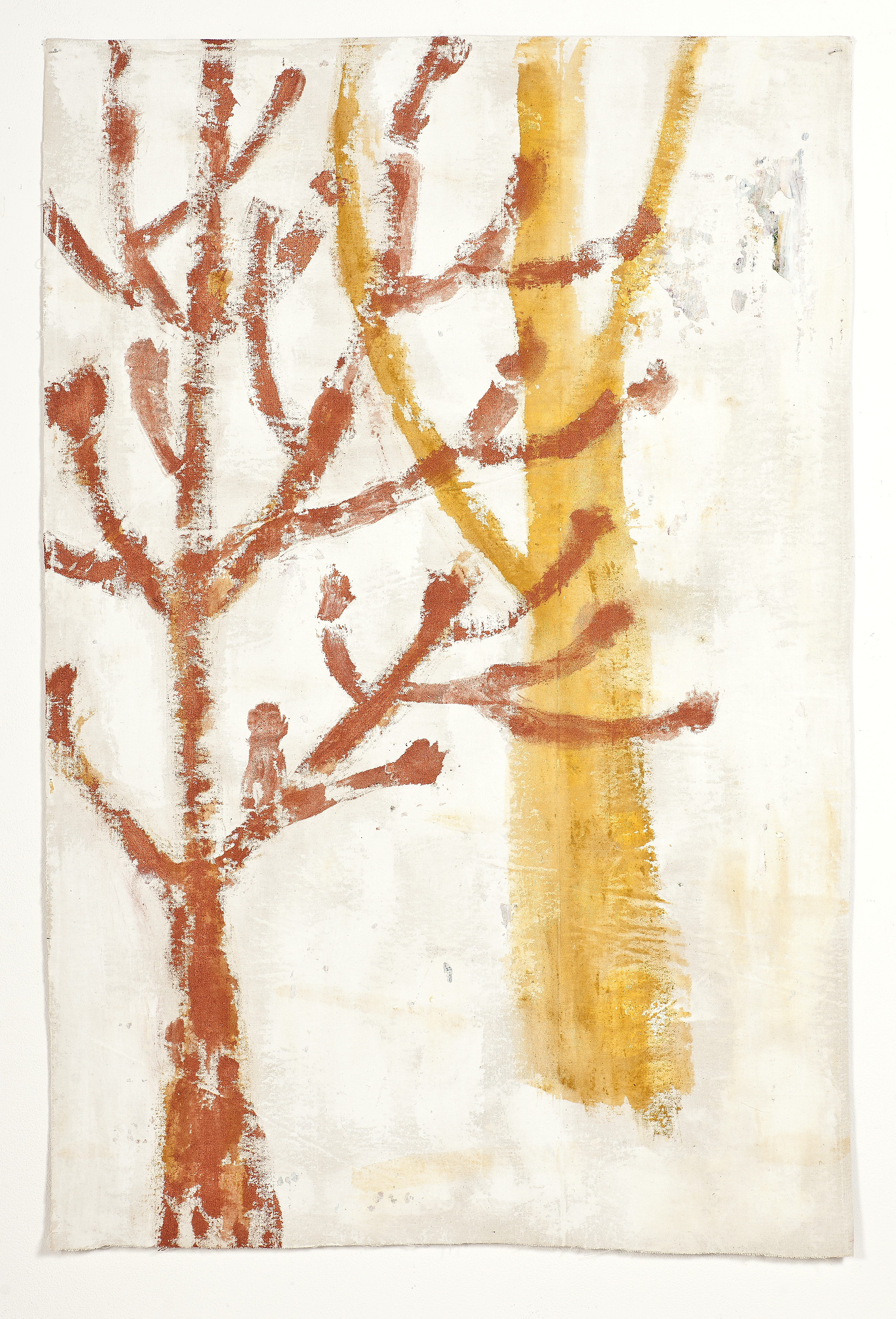
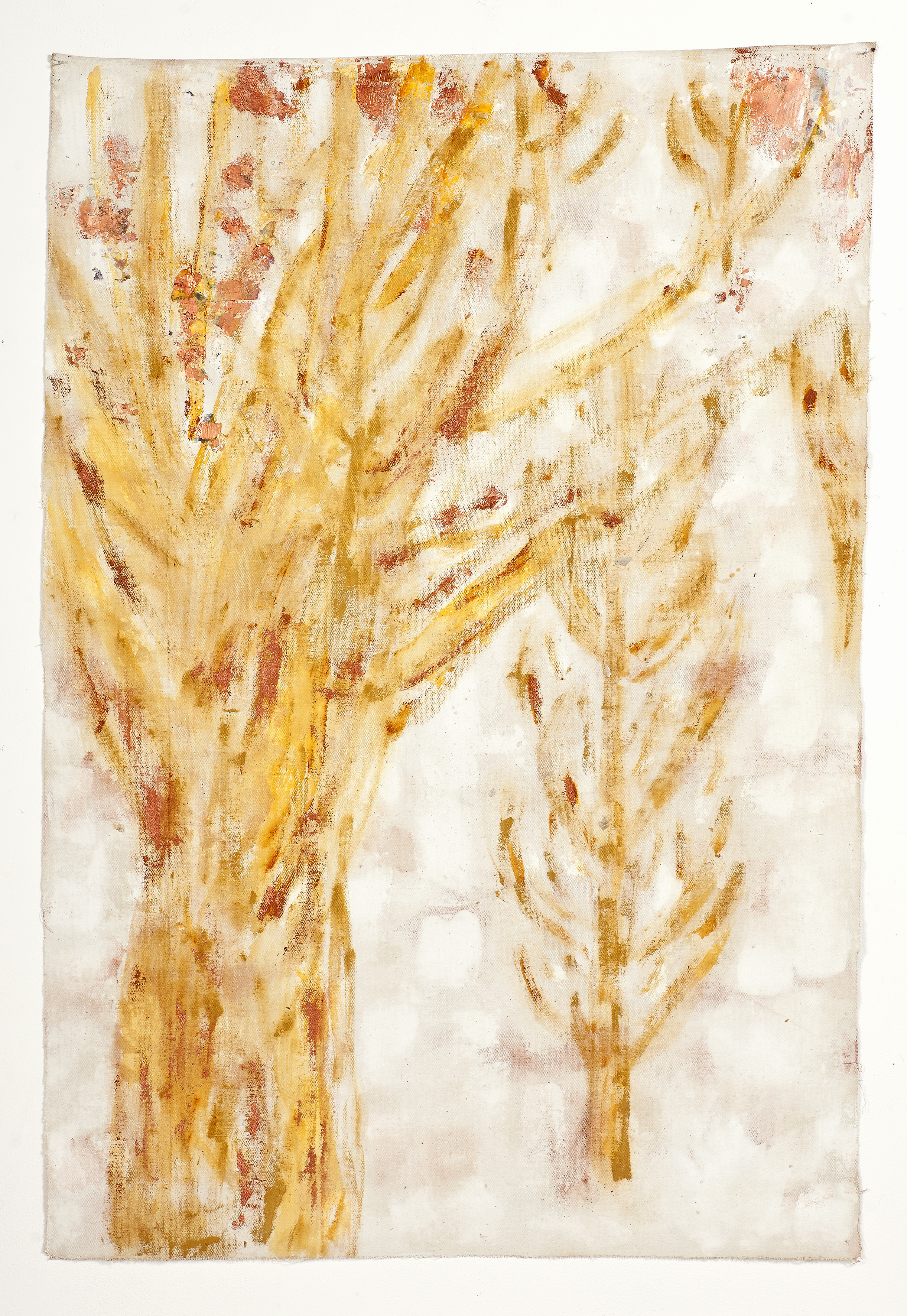
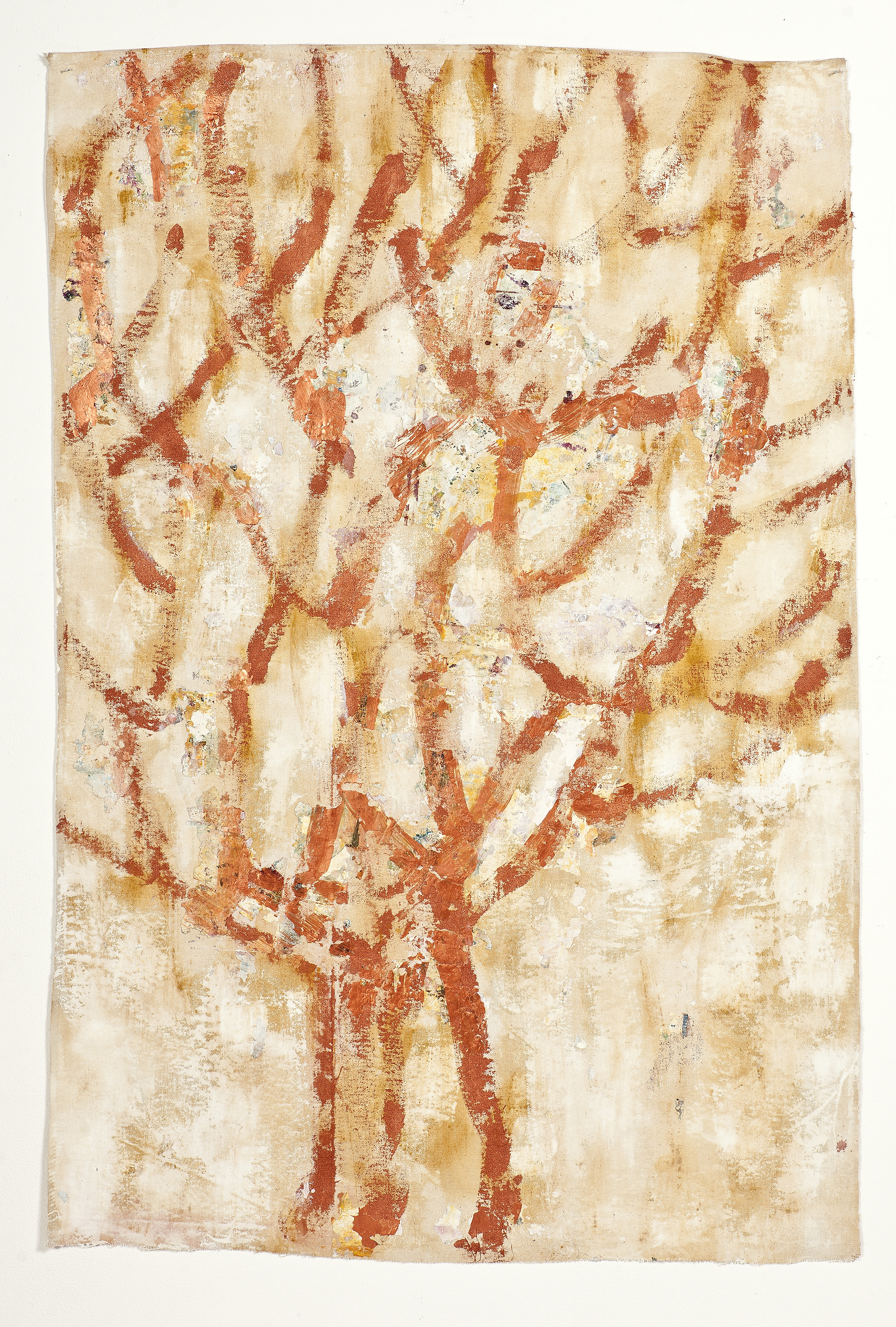
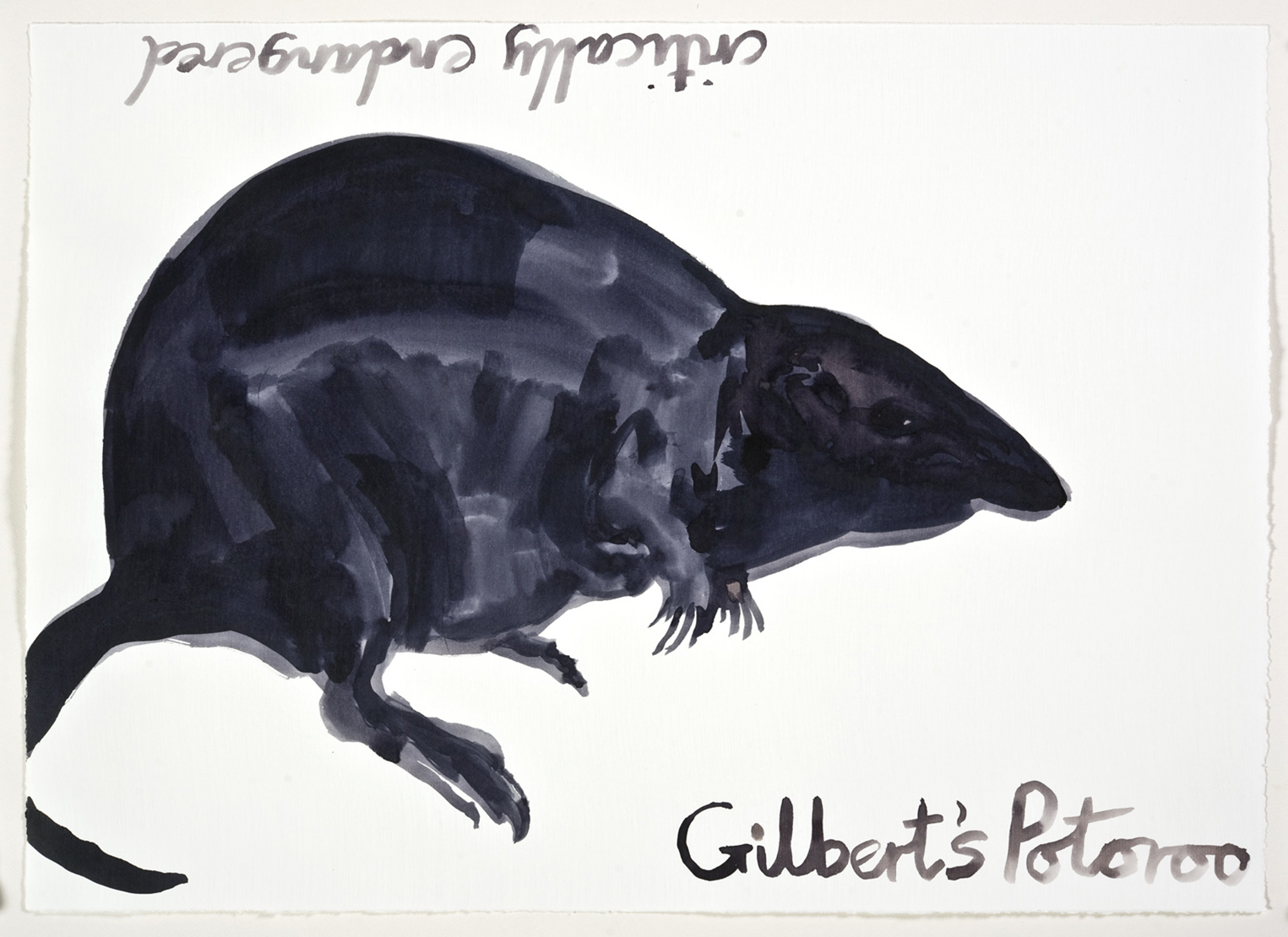
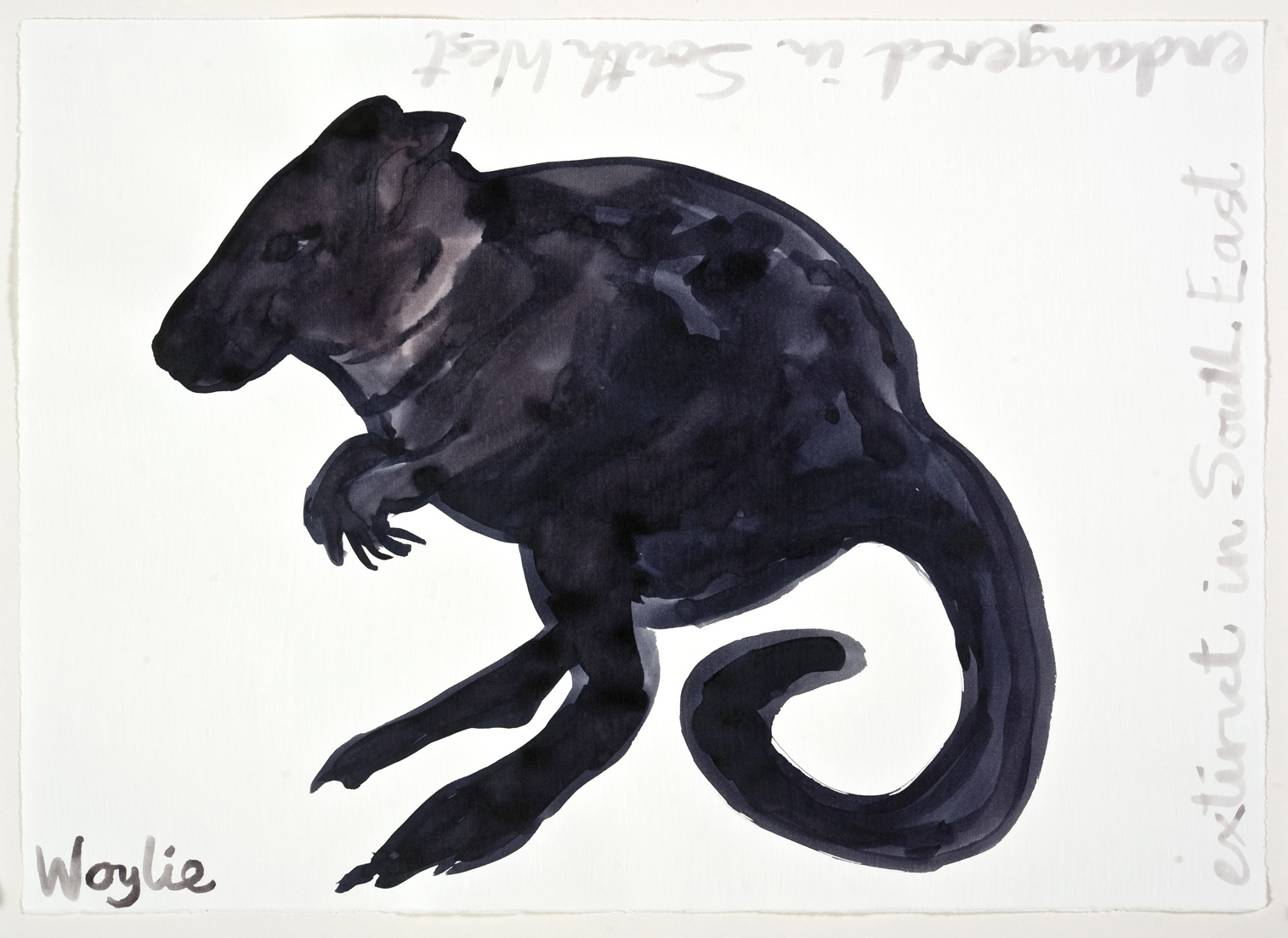
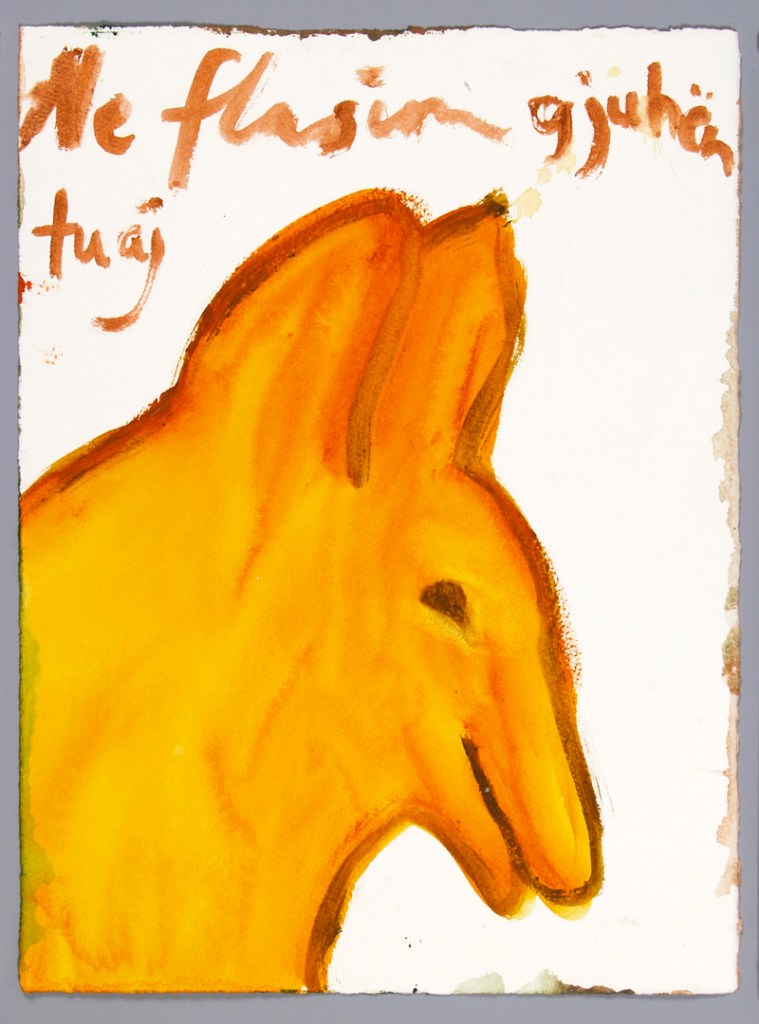
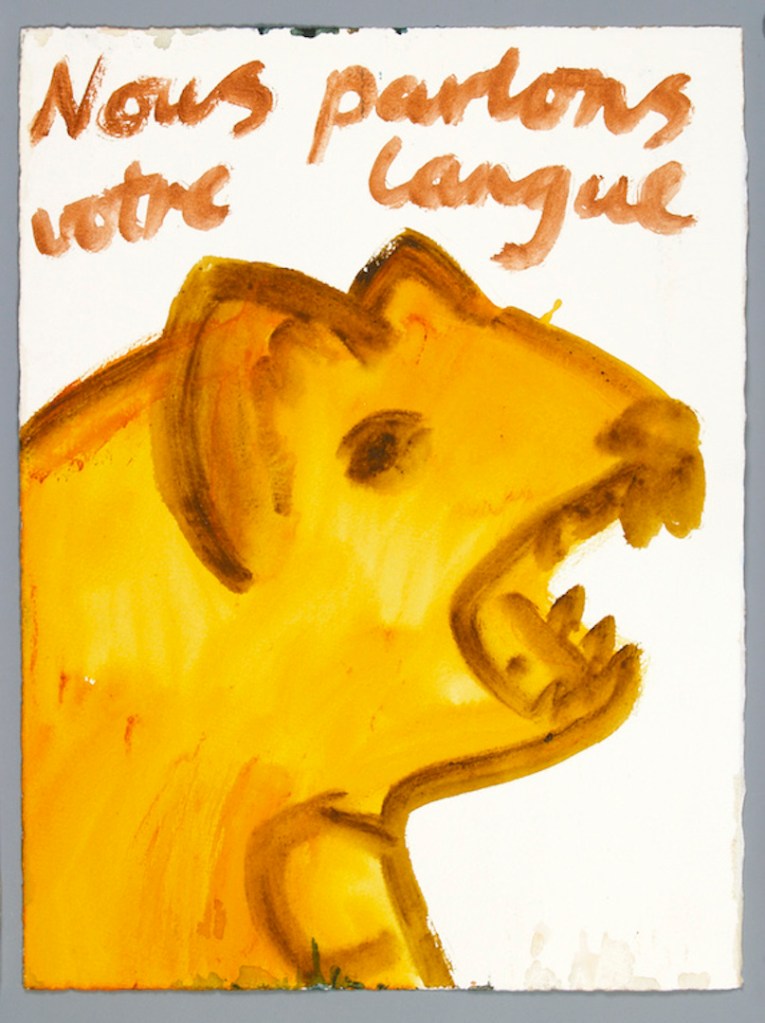
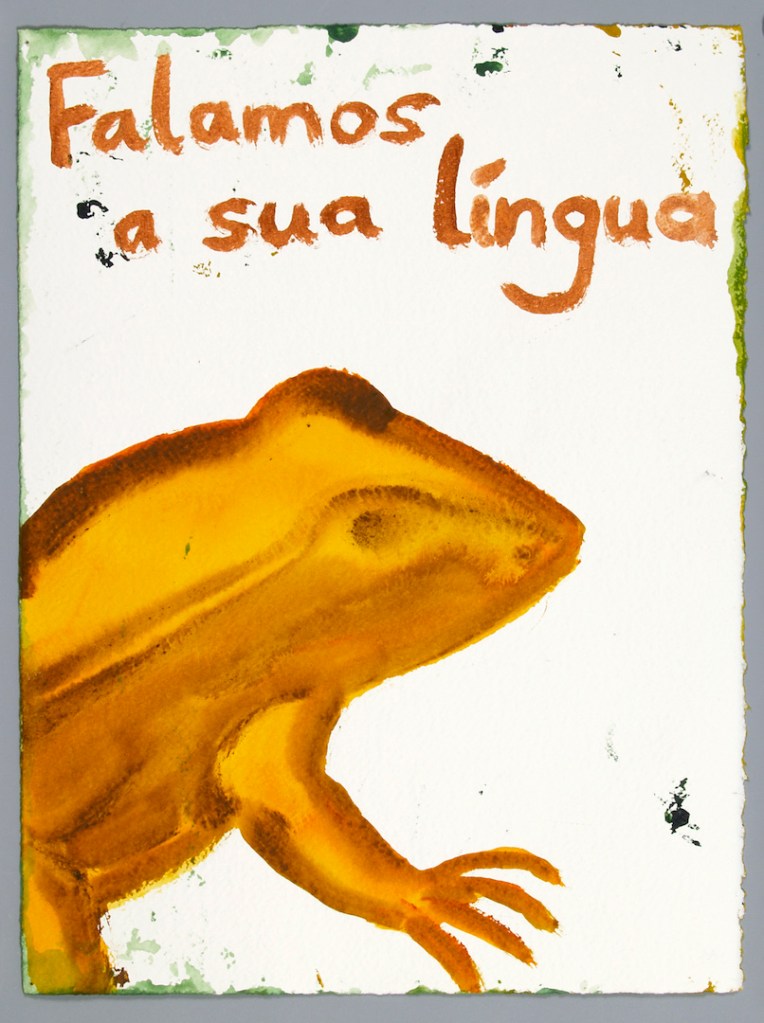
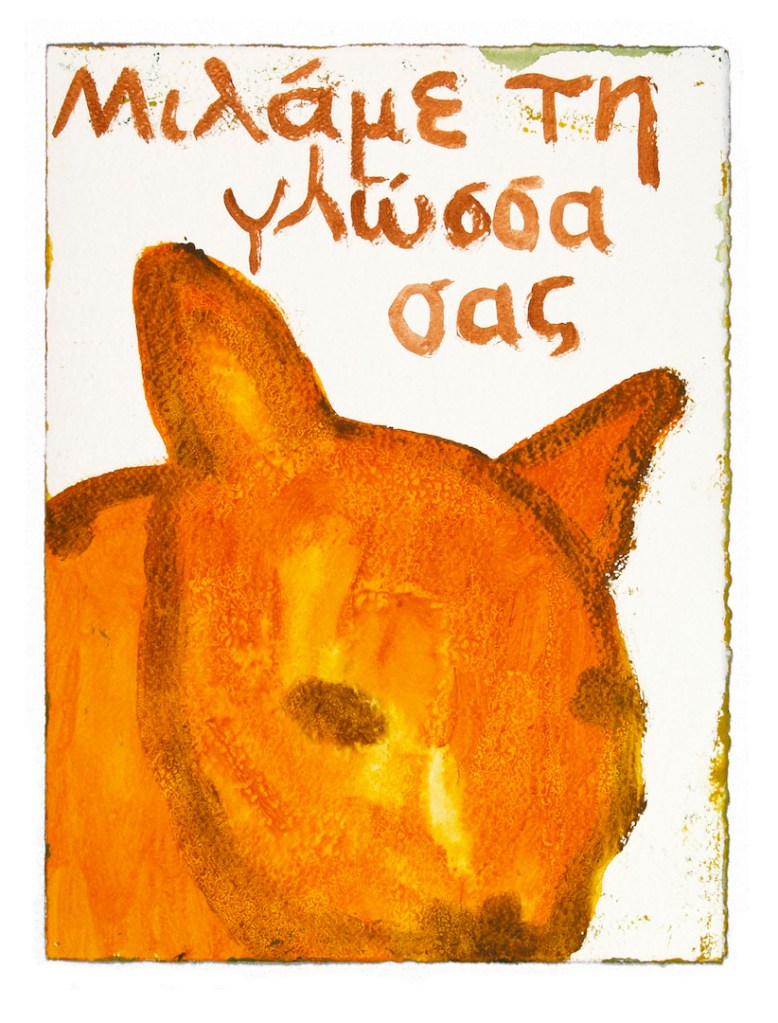
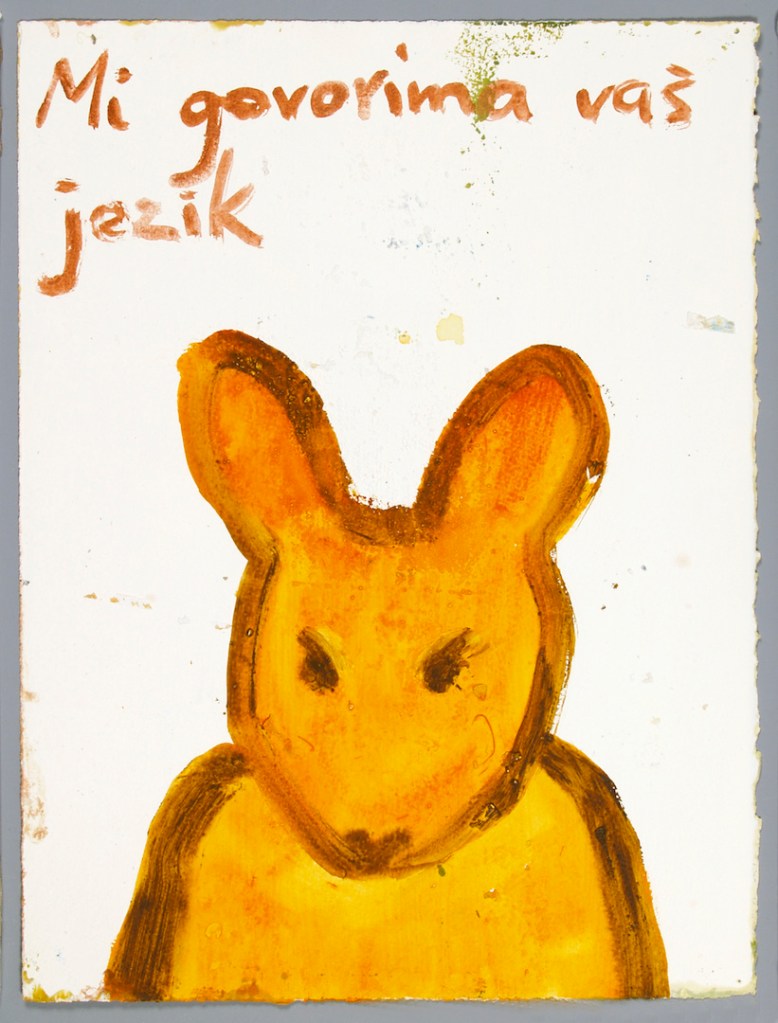
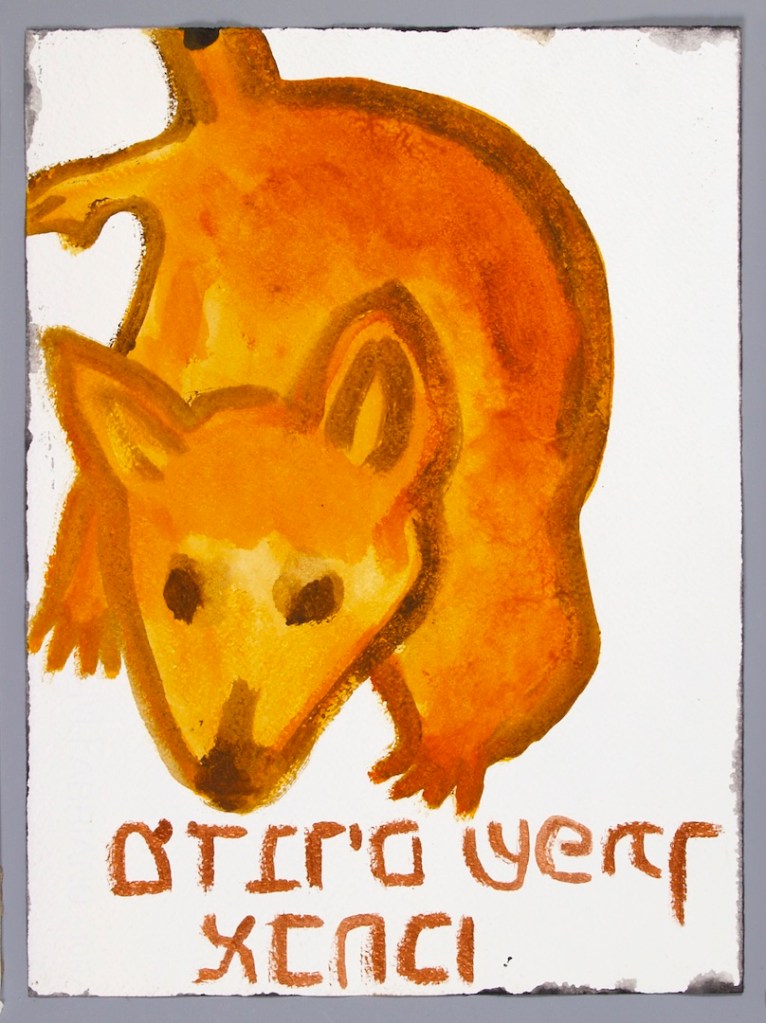
Artwork depicting derelict public service announcements from an imagined future of a world run by Australian animals painted on the back of old paintings.
Inspired by Centrelink’s assertion about language. And thoughts of extinction.
Raining Poetry in Adelaide is a poetry street-festival organised and led by postgraduate students at the University of Adelaide under the auspices of the J. M. Coetzee Centre for Creative Practice.
For 2020 the theme was presciently pre-Covid ‘precarity’.
“Progressively fading over time, the poems and their disappearing traces will act as ghostly reminders of increasing global precarity as we walk, tread and cross the line.”
Five poems were selected through a competitive process judged by Jill Jones, then printed as stencils and tagged anonymously with invisible paint across Adelaide’s CBD. Another fifteen poems by students were also tagged.
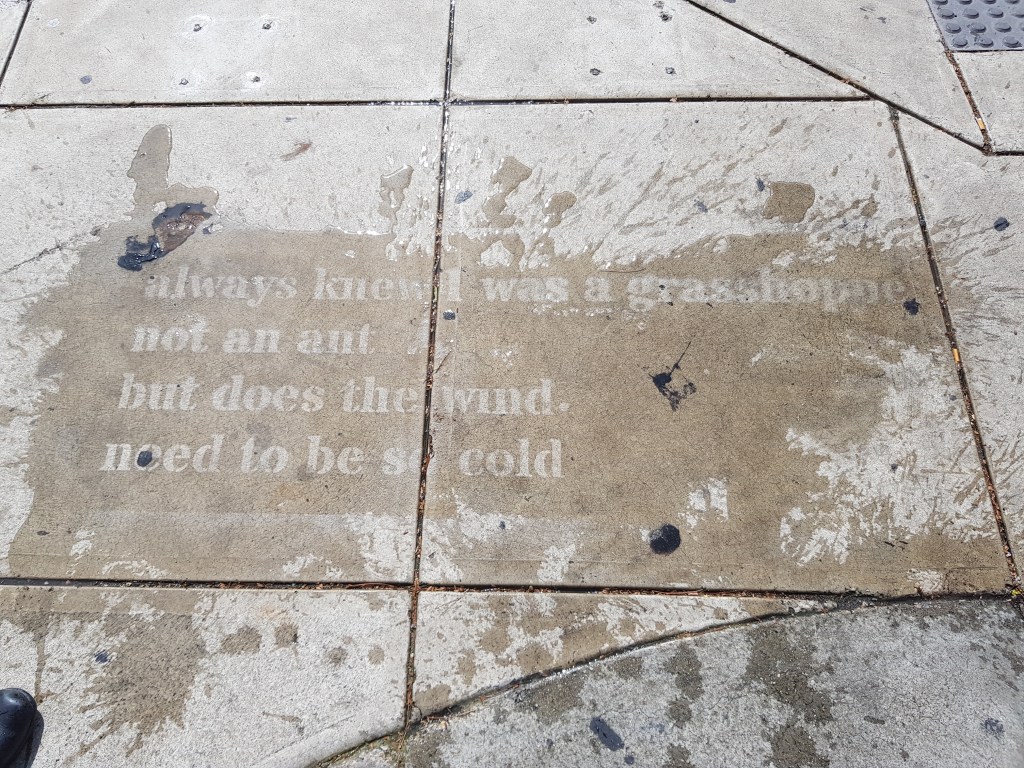
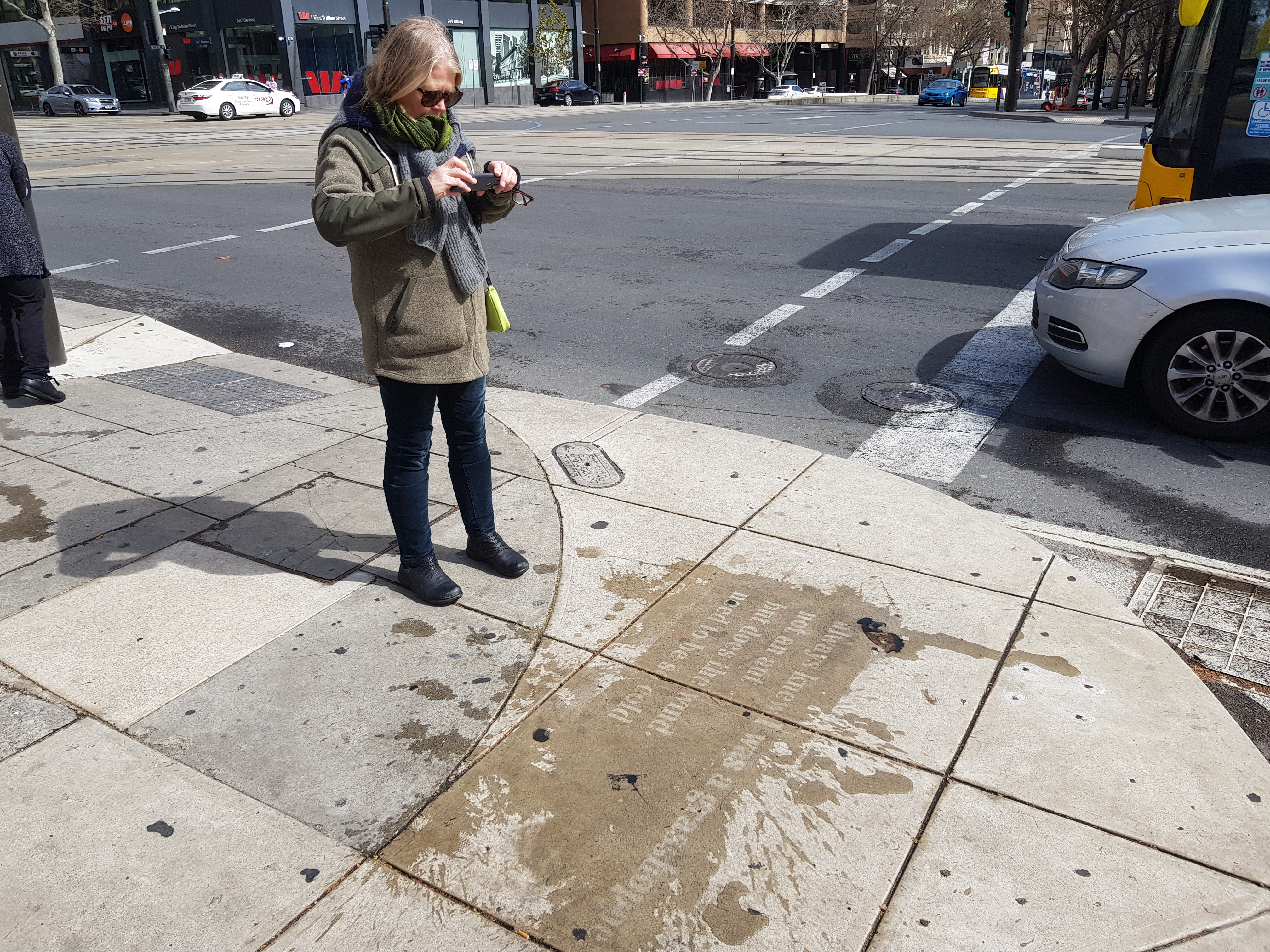
When it rains, the poems magically appear. It doesn’t rain that often in Adelaide but you can water the ground to see a poem once you know where to look.
A map is available through the Raining Poetry in Adelaide Facebook page. My poem is on the corner of King William Street and North Terrace.

 Stephanie Radok